
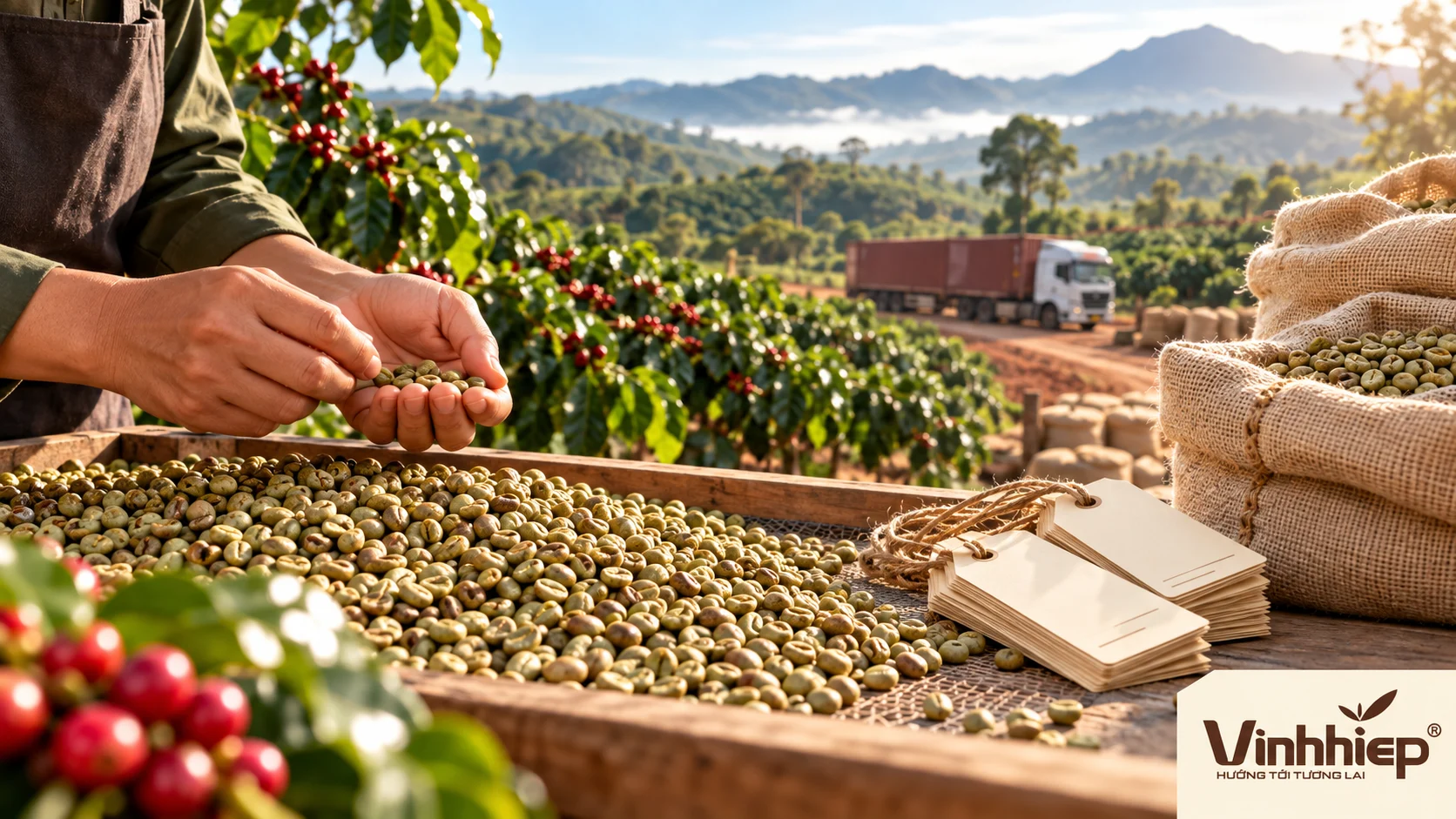
Gia Lai Coffee Export: Sample Approval and Lot Traceability
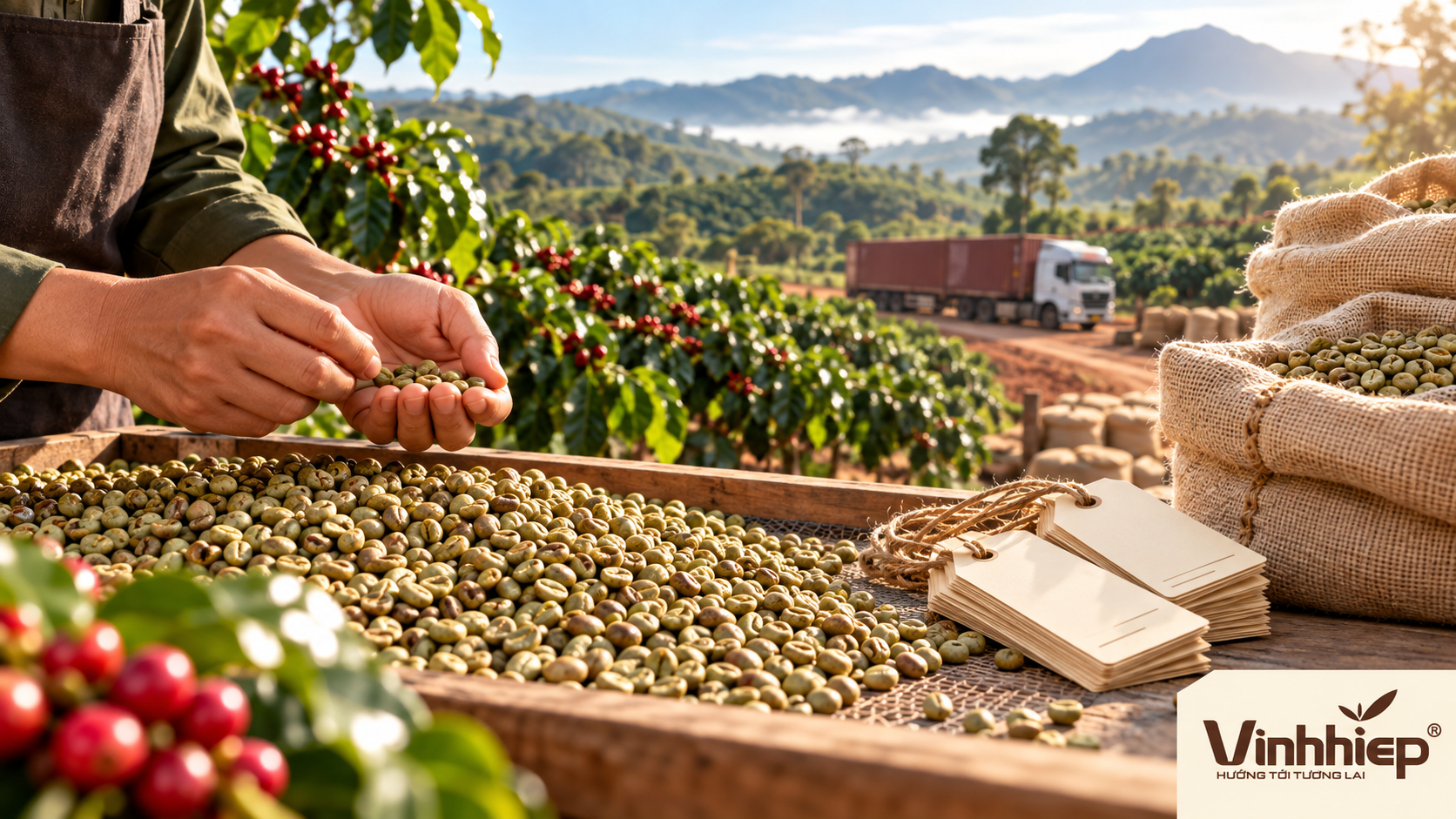
Gia Lai coffee export should be evaluated through a clear buyer brief, a representative sample, specifications and lot records. This guide separates regional context from evidence and shows the questions to ask before a request moves forward.
Scope and buyer question
Gia Lai coffee export is a useful search path when a buyer needs to understand a product, a region or a supplier role. This guide focuses on sample approval and traceability. Regional context helps frame the request; a representative sample, specification and lot records are still needed for a current decision.
Sample approval connects a buyer’s sensory and technical decision to a specific product record. For Gia Lai coffee export, the approval note should identify the sample, the lot scope, the specification reviewed and the conditions that would require a new sample. A buyer should separate general market context from evidence about the product or lot being discussed. That separation keeps a supplier story useful without asking it to prove a claim it was not designed to prove.
Start with intended use, destination and product form. An espresso blend, a single-origin programme and a private-label shipment may require different specifications, records and approval steps.
Industry sources provide different layers of context. The International Coffee Organization discusses coffee value chains and development; the FAO describes coffee markets and trade; and World Coffee Research provides background on Robusta. These sources support general explanation, not a product-level confirmation for a Vinh Hiep lot.
For sustainability language, read the scope and validity of the relevant standard or record. A programme description, a certification and a shipment document answer different questions. Keep the wording on the page no wider than the evidence.
Evidence and source boundaries
Approval is a decision about a reference sample. Traceability is a record of identity and movement. They strengthen each other when the same identifiers are used. Do not separate a number from its measurement method, date or lot scope. If the source does not state its boundary, write the boundary as the next question.
A short fact ledger is often more useful than a longer company description. Keep source, date, product, lot and confirming role visible so that general context is not mistaken for transaction evidence.
A practical review process
- Step 1 — Label the sample and approval date. Record the source, date, product or lot scope and the question that remains open. If evidence is missing, label the point for confirmation rather than filling it with an assumption.
- Step 2 — Record the test or roast method. Record the source, date, product or lot scope and the question that remains open. If evidence is missing, label the point for confirmation rather than filling it with an assumption.
- Step 3 — Match the result to the proposed lot. Record the source, date, product or lot scope and the question that remains open. If evidence is missing, label the point for confirmation rather than filling it with an assumption.
- Step 4 — State acceptable changes and reapproval triggers. Record the source, date, product or lot scope and the question that remains open. If evidence is missing, label the point for confirmation rather than filling it with an assumption.
- Step 5 — Keep the approval note with shipment records. Record the source, date, product or lot scope and the question that remains open. If evidence is missing, label the point for confirmation rather than filling it with an assumption.
Save only the evidence needed for the decision and keep sensitive records within the appropriate working channel. A public article should explain the method without exposing private documents.
Buyer checklist
Approval is a decision about a reference sample. Traceability is a record of identity and movement. They strengthen each other when the same identifiers are used. Build one working table with the requested field, source or sample, person confirming it, date, status and next action.
- Product form and intended use.
- Origin or regional scope as documented.
- Sample identity, lot reference and date.
- Process, storage and packing notes.
- Moisture, screen, defects or other relevant specifications.
- Document scope and public-claim limits.
A worked request example
A buyer may approve a sample for a defined green coffee specification and crop period, then request confirmation before loading. If the lot changes, the approval record should be revisited.
Keep three statuses visible: documented, checked against a sample, and awaiting confirmation. This makes the brief useful to purchasing, quality and the supplier without turning a working note into an unsupported public claim.
Common mistakes
Common mistakes when researching Gia Lai coffee export include approving an unlabeled sample; treating approval as an unlimited guarantee; losing the roast protocol; allowing lot substitutions without notice; not recording who approved. These mistakes make a page sound more certain than its evidence. Narrow the sentence, state the scope and ask a question that the supplier can answer.
- Do not use “premium” or “leading” in place of a specification.
- Do not apply a crop or shipment result to a different lot.
- Do not treat a logo, certification name or project photograph as universal product proof.
- Do not promise stock, MOQ, lead time or a quotation unless the current request confirms it.
How to brief Vinh Hiep
When contacting Vinh Hiep, state the product form, intended use, estimated volume, destination, required specifications and the records you need to review. Continue with the Gia Lai coffee export owner guide, coffee origins and coffee sourcing and export. Current commercial terms must be confirmed for the specific request.
Frequently asked questions
What should an approval note contain?
The answer depends on the product, sample and document scope in the current request. Record the date, identifier and missing evidence rather than treating a regional description or a dated report as a universal answer.
When is a new sample needed?
The answer depends on the product, sample and document scope in the current request. Record the date, identifier and missing evidence rather than treating a regional description or a dated report as a universal answer.
How are lot changes recorded?
The answer depends on the product, sample and document scope in the current request. Record the date, identifier and missing evidence rather than treating a regional description or a dated report as a universal answer.
Can cupping notes stand alone?
The answer depends on the product, sample and document scope in the current request. Record the date, identifier and missing evidence rather than treating a regional description or a dated report as a universal answer.
Conclusion
Gia Lai coffee export becomes a useful buying topic when regional or supplier context is connected to a sample, specification and traceability record. Use the main guide and the supporting links to prepare a request that can be checked by both sides.
References: International Coffee Organization Coffee Development Report, FAO Coffee markets and trade, World Coffee Research – Robusta, Rainforest Alliance Sustainable Agriculture Standard
Questions to keep in the working file
For Gia Lai coffee export, record what is known about the product, what is inferred from general market information, and what still needs confirmation. Add the source URL, access date, product scope and lot identifier. When a source uses a broad term, rewrite the internal question in a narrower form. This habit reduces back-and-forth and makes the final buying decision easier to explain.
How to compare answers over time
Keep the same fields when a supplier sends a new sample or updated document. Compare the date, code, process, storage note and measurement method before comparing the values themselves. A change in method can look like a change in product. If a new answer changes the scope, keep the previous version in the record and state which version is current.
What a useful next action looks like
The next action should be concrete: request a labelled sample, ask for a missing lot reference, confirm the specification version, or send a destination requirement. Avoid a vague request for “more information”. A precise question lets the supplier answer against the same brief and gives the buyer a clear point at which to review the evidence again.
Questions to keep in the working file
For Gia Lai coffee export, record what is known about the product, what is inferred from general market information, and what still needs confirmation. Add the source URL, access date, product scope and lot identifier. When a source uses a broad term, rewrite the internal question in a narrower form. This habit reduces back-and-forth and makes the final buying decision easier to explain.
Update notes and limits
Information about origin, process and specifications should be read with the date and scope of the cited record. A statement can be useful as general knowledge without being enough to confirm a particular sample or lot. When preparing a request, keep the identifier, sample date, specification version and confirming role visible. If a field is missing, write the question that must be answered. This keeps the guide useful for a buying decision without turning it into a substitute for current product and shipment checks.
Roasters should also keep the test method and conditions used for comparison. If the product, crop period, storage point or intended roast changes, review the checklist again instead of carrying an old conclusion forward.