


Coffee origins
Browse by topic

Infrastructure component launches for Central Highlands coffee sourcing areas
On 22 August 2023, an event at Vinh Hiep launched infrastructure work associated with Component 5 of the project supporting agricultural sourcing areas. Deputy Minister Tran Thanh Nam attended the programme, which focused on improving
Read more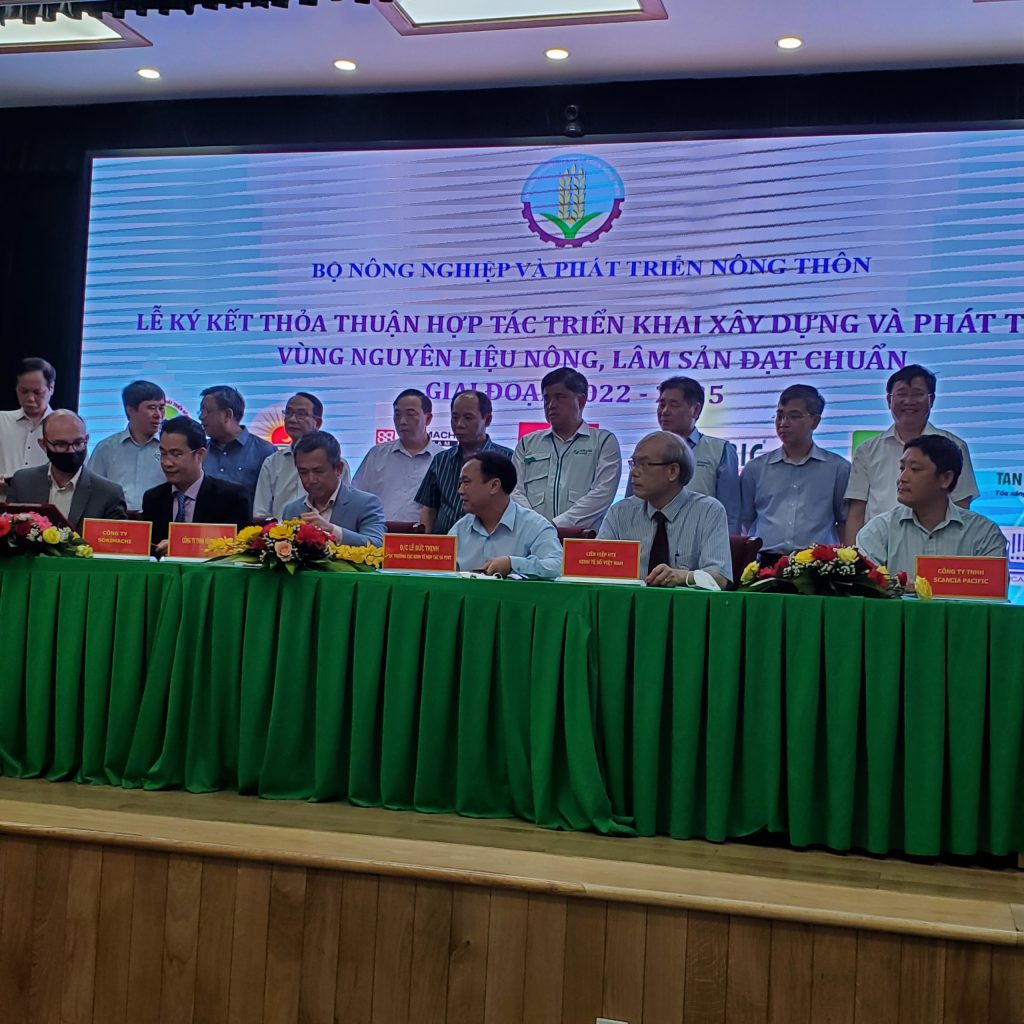
Vinh Hiep joins cooperation on standardised agricultural sourcing areas
On 29 March 2022 in Ho Chi Minh City, Vinh Hiep joined a cooperation event associated with the pilot project to develop standardised agricultural and forestry sourcing areas for 2022–2025. The initiative connected production areas
Read more
Coffee Origins: Gia Lai, the Central Highlands and Vinh Hiep
A coffee origin starts with a place, then becomes more meaningful through the people and work connected with it. For Vietnamese Robusta, Gia Lai and the wider Central Highlands provide an important setting. Vinh Hiep’s history includes its Pleiku office established in 1999, followed by direct export activity from 2004. Explore our green coffee products or discuss an origin-led coffee project with Vinh Hiep to connect that background with the ingredient you intend to use.
This collection follows the journey from growing areas to coffee prepared for a roaster. Geography explains the setting. Harvesting, processing and product selection add detail. Your own roasting and preparation then develop the finished drink. Keeping those parts clear helps you build a useful product story without expecting a regional name to establish every characteristic of the coffee.
For a first product, start with the intended drink and one defined green coffee. S16 Clean can provide a manageable starting point because its published information separates several physical limits. Trial it for the application you plan to serve, while establishing the origin information appropriate to the selected coffee. The two tasks can progress together without asking a sample assessment to prove a geographical statement.
If you already have a recipe, use the current ingredient as the reference. Decide what needs to remain recognisable and which change deserves a trial. A new origin-led line can be developed separately from an ingredient replacement, giving each comparison a clear purpose and each customer description an appropriate basis.
Keep a short product brief with the intended drink and the origin wording you want to support. It gives the roasting and purchasing teams a common reference as the candidate and its description are developed.
Understand the geographical setting
The International Coffee Organization’s 2019 Vietnam profile uses the administrative names of its period when describing Central Highlands coffee areas. Those names are useful for reading historical maps and reports, but their scope should stay attached to the source. A buyer preparing current product information needs to identify the location meant by the proposed origin description, rather than copying an old regional statement without its context.
Our Central Highlands coffee guide develops that setting. The Gia Lai origin guide follows a more specific regional story. In a purchase enquiry, distinguish the growing origin from the supplier’s address or the location of a facility. Establishing that distinction early makes the product description easier to maintain when the sourcing conversation becomes more detailed.
Follow the work after harvest
Processing names describe how the fruit and seed are handled. Natural generally involves drying the whole fruit before removing its dried layers; Honey involves pulping while retaining mucilage during drying. A processing name provides useful information, while the selected sample and your evaluation provide the basis for describing the finished drink. Ask which description applies to the coffee being considered instead of assigning a result from the method name alone.
Vinh Hiep’s October 2021 Gia Lai linkage announcement introduced cooperation with growers and cooperatives and discussed Honey and Natural directions for the stated project. That report is a dated part of the company’s story. When a processing or partnership connection matters to a planned product, discuss the relevant coffee with Vinh Hiep before using a stronger statement in customer materials.
Choose a product that gives the trial a purpose
The green coffee range includes Robusta in several screen sizes and grades. S16 Clean can be a starting product for a newcomer who needs a defined reference. An established roaster can compare a candidate with the ingredient already used. Screen size and published physical limits help identify the choice; they do not establish a preferred flavour or make one size suitable only for more experienced buyers.
For a phin product, include phin preparation in the development work. For an espresso blend, assess the candidate in its intended role within the recipe. Keep the product identity, roast version and preparation linked so the result supports a decision. Green coffee knowledge explains the terms when needed, while the trial determines what deserves further work in your roastery.
Bring the origin story into the buying conversation
When you have a product direction, say whether you are developing a new line, replacing an ingredient or preparing a purchase. The information needed changes with that stage. For an origin-led product, identify the wording you want to support. For a commercial enquiry, identify the grade, intended quantity and destination. A clear task helps the conversation progress from regional background to the information relevant to the actual coffee.
Our coffee sourcing section connects those decisions with practical next steps. Contact Vinh Hiep about your Vietnamese green coffee project and tell us the product you intend to make. We can begin with a defined requirement, then address the origin, evaluation and purchasing questions that belong to that project.
When the chosen coffee changes, review the description together with the recipe. A geographical statement, a processing description and your own tasting notes each have a different basis. Keeping the approved wording with the product record makes it easier to update the bag, website and wholesale information consistently when a new ingredient is introduced.