


Coffee sourcing & export
Browse by topic


Coffee supplier due diligence: records to compare
Coffee supplier due diligence compares business information, supply-chain roles and product records before a purchasing decision. The objective is to establish what has been checked, where information does not yet match and who will explain
Read more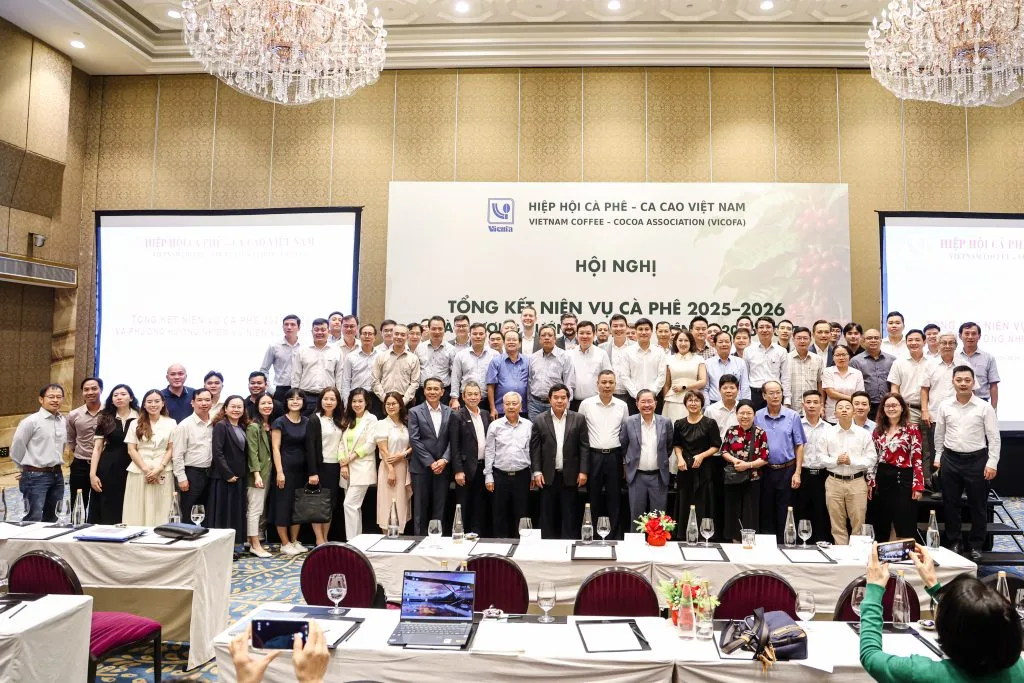
Vinh Hiep leads Vietnam’s green coffee export ranking for the 2025–2026 crop year
For the 2025–2026 coffee crop year, Vinh Hiep was reported as the leading business in Vietnam's green coffee export ranking. The reported result was approximately 180,000 tonnes and more than USD 836 million in export
Read more

November 2025 US tariff change creates opportunities for coffee exporters
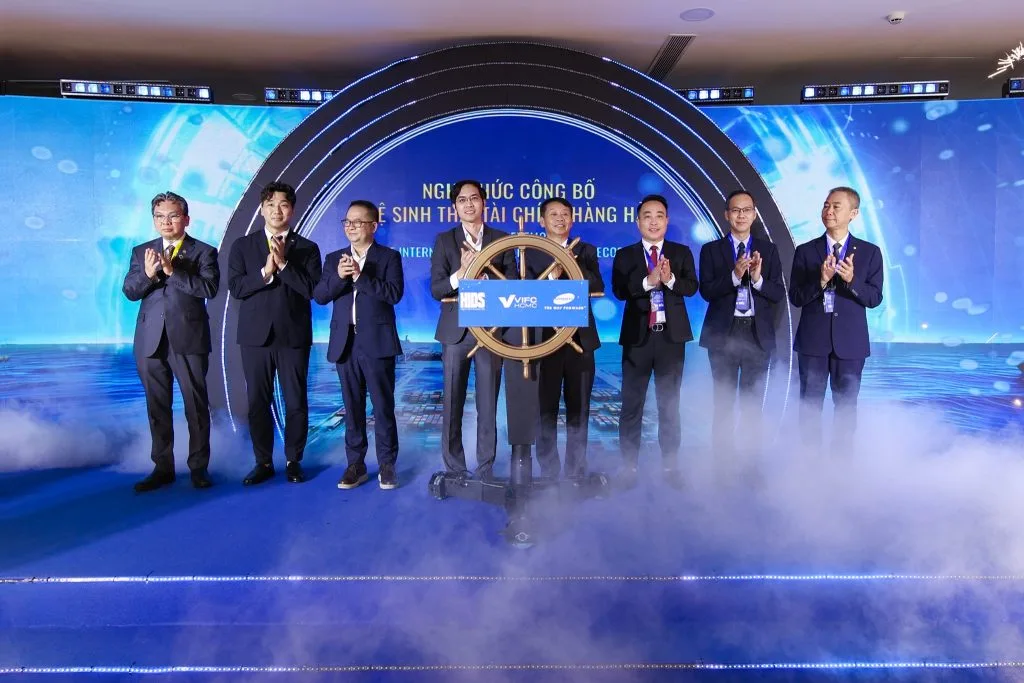
On 14 November 2025, the United States announced a change to the scope of reciprocal tariffs covering certain agricultural products, including coffee. Vinh Hiep viewed the announcement as a positive development for Vietnamese coffee businesses
Read more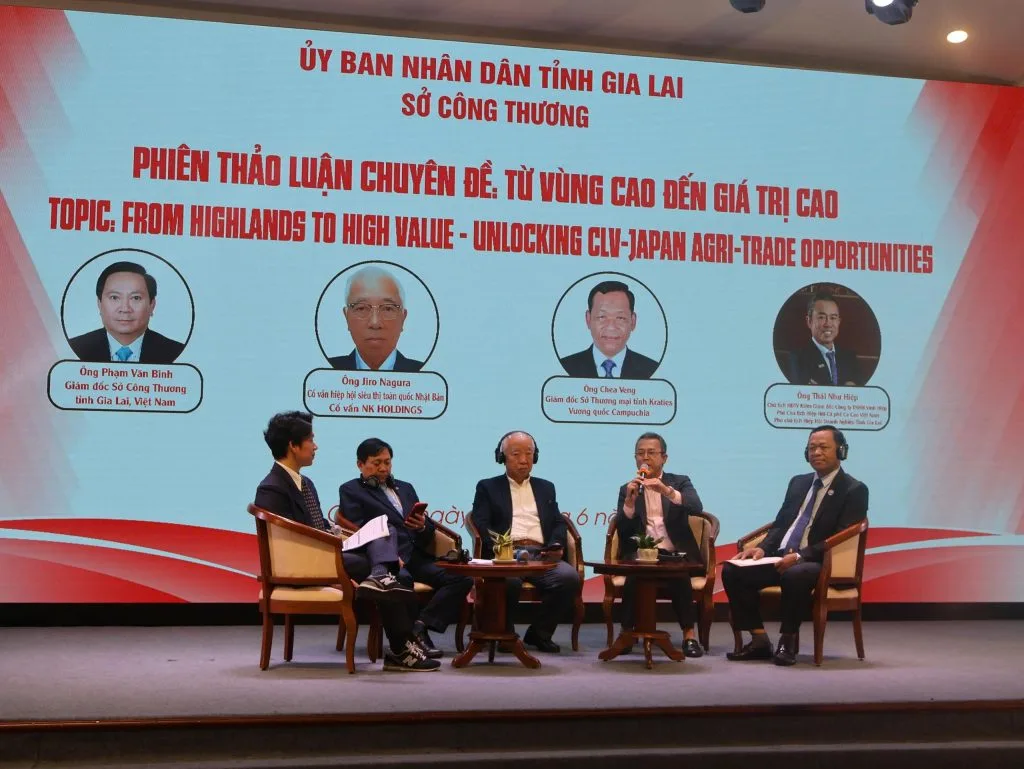
- 1
- 2
Coffee sourcing and export: organising the buyer's next steps
Coffee sourcing involves more than comparing a product name and a quoted price. A purchasing team needs a clear requirement, an identified sample, relevant supplier records and an agreed way to resolve open questions. This category brings together practical buying guides and dated export-related updates from Vinh Hiep. It is designed for roasters, importers and procurement teams researching Vietnamese coffee, whether they are preparing a first enquiry or organising the next stage of an existing supplier discussion.
An offer becomes easier to compare when the coffee type, physical specification, quantity, timing and delivery assumptions are stated in the same way. If those details differ, a price comparison may be misleading. Begin by writing what the coffee will be used for and which conditions are essential. Keep a separate list of points that require confirmation. This helps the supplier respond to the actual need and gives your team a record of how the requirement changes during sampling and evaluation.
Use the Vietnam coffee sourcing checklist to build an initial brief, then review questions to ask before sampling. When you have a potential supplier, coffee supplier due diligence explains how to organise a document comparison. The news articles in this group provide context about export activities and business exchanges at the time they were published. They can inform your research, while availability, specifications and commercial terms need to be confirmed for the proposed purchase. A useful next step is a short enquiry that identifies the product, intended use, sample needs and records your team wants to review.
The sections below follow that sequence from the first brief to the questions raised by a sample. Keep a record of responses as the enquiry develops, so that the next exchange can address the remaining points rather than reopen information that has already been confirmed.
Prepare a brief the supplier can answer
List the coffee type, intended application, key physical criteria and expected purchasing context. If a particular origin or supporting document is essential, include it from the start. Separate fixed requirements from preferences that could be discussed after a sample trial. Avoid leaving a broad term such as quality to carry several unstated expectations. Explain how your team plans to evaluate the material and identify the person responsible for technical questions. A structured brief helps the supplier answer in the same format and reduces the need to repeat basic information during each exchange.
Compare specifications before comparing offers
Put the product descriptions into a shared comparison table. Screen requirements, moisture, foreign matter and defect limits should retain their original labels and units. Where suppliers use different grade names, ask what each name includes rather than assuming they are equivalent. Mark any missing information for follow-up. Add the date and reference of each offer so your team can recognise an updated version. This creates a clearer foundation for the commercial discussion and helps prevent a later decision from being based on a specification that has already changed.
Give every sample a traceable evaluation record
When a sample arrives, record its identity, condition and relationship to the product under discussion. Keep the receiving notes, physical checks and roast trial results together. If the sample raises a concern, describe the observation and the conditions in which it appeared. The green coffee sample evaluation guide provides a practical sequence for this work. A sample assessment should help determine the next action: further testing, clarification, another sample or a discussion of revised criteria. It should also leave a record that another buyer or technical colleague can understand.
Review supplier and product records separately
Supplier due diligence helps establish who will be involved in the transaction and which documents support the discussion. Product review asks a different set of questions about the coffee and proposed lot. Keep these parts connected without treating one as a substitute for the other. A company presentation or event report may provide background, while the purchasing team still needs the records relevant to its enquiry. Record the source and date of each document, identify inconsistencies and send a consolidated question list to the responsible contact for clarification.
Confirm delivery assumptions and documentation
As an enquiry progresses, clarify packaging, the proposed delivery arrangements, timing and the documents required by the parties. These details depend on the transaction and should be recorded in the agreed commercial documents. Do not infer a shipment commitment from a general website description or an older export story. Where a condition is still being discussed, keep its status visible in the enquiry record. Before proceeding, make sure the latest product requirement, sample reference and commercial understanding are the versions being used by everyone involved.
Use export news as context for the conversation
Export-related articles can help you understand the activities a company has reported and the topics being discussed in the industry. Check when an event happened and what the article actually covers. For a current product enquiry, move from that context to specific questions about the coffee you need. Browse the green coffee products and send a focused brief to Vinh Hiep with the records and sample information you want to review. Keeping the request concrete allows the next exchange to address the purchasing decision rather than repeating general company information.