EVFTA opens opportunities for Vietnamese processed coffee: a 2021 perspective
In this 2021 perspective, Thai Nhu Hiep, chairman and director of Vinh Hiep, discussed how the EU–Vietnam Free Trade Agreement, EVFTA, could support greater value for Vietnamese coffee. He placed investment in growing areas and processing alongside the opportunities created by trade preferences.
Europe as an important coffee market
The figures cited at the time put the EU at approximately 40% of Vietnam’s coffee export volume and 38% of export value. Average annual coffee export earnings from the EU over the preceding five years were reported at USD 1.2–1.4 billion.
EVFTA offered opportunities for qualifying Vietnamese coffee products through preferential tariff treatment. Access to those preferences depended on the product and applicable origin and customs requirements. The agreement also increased the importance of understanding the requirements of customers in the European market.

Preparing the production base
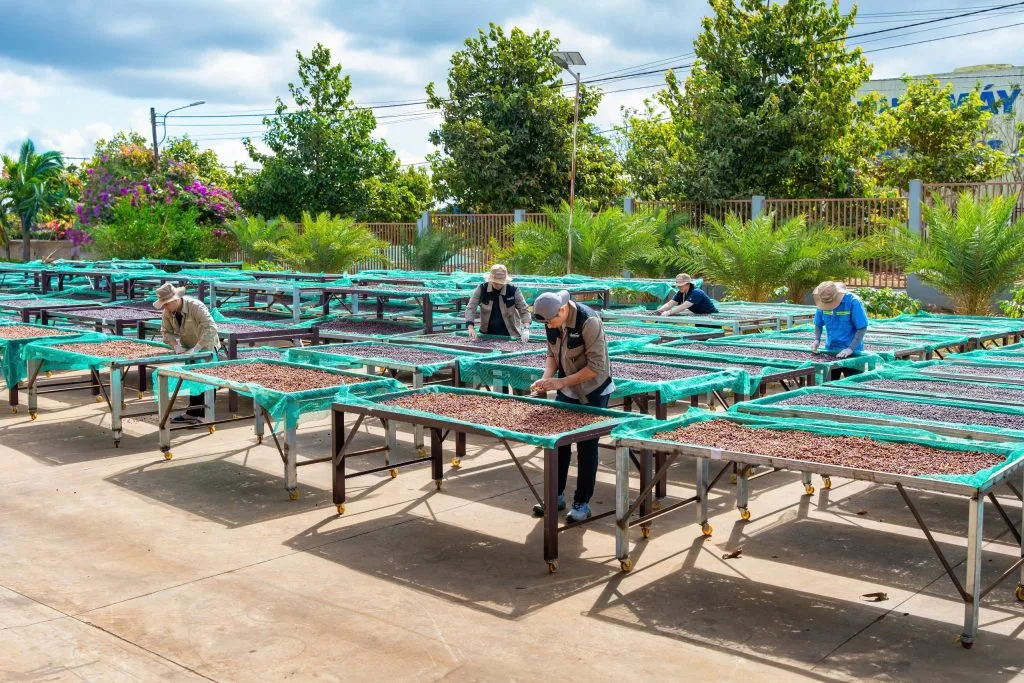
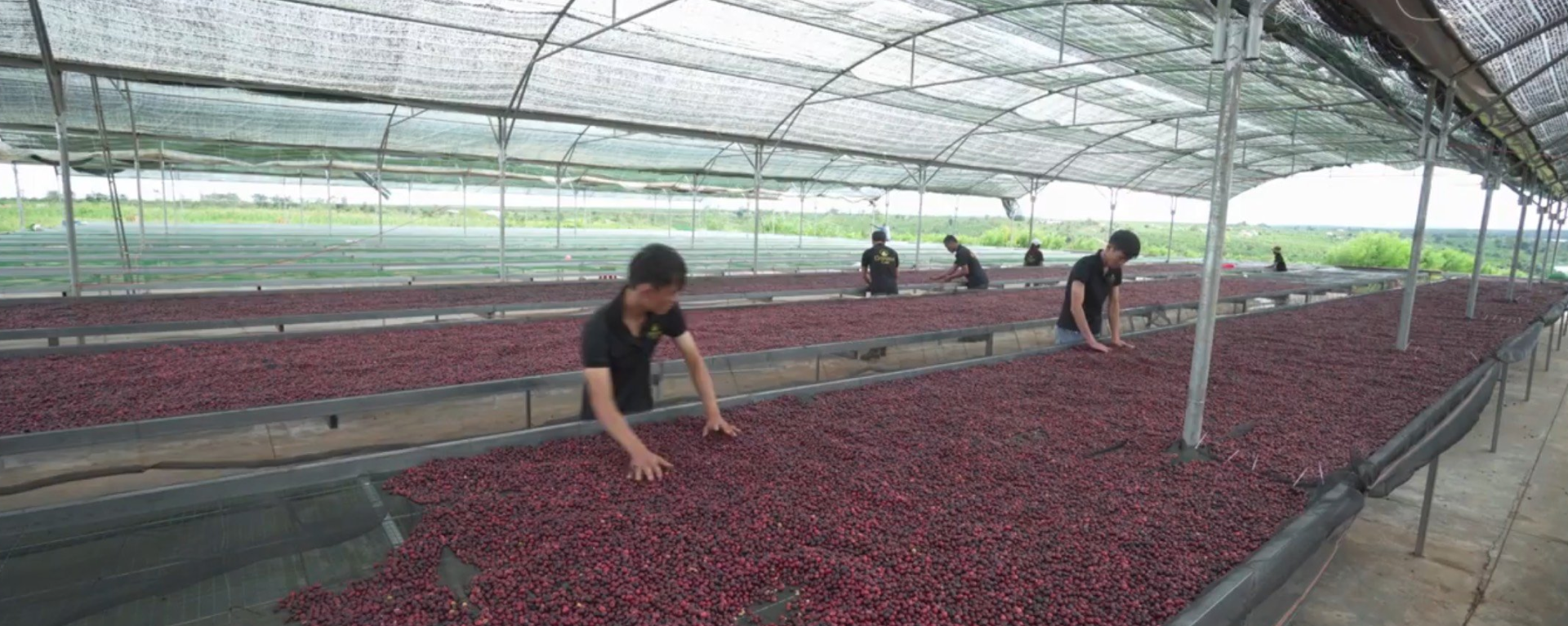
Thai Nhu Hiep emphasised that preparation needed to begin in the growing area. Businesses had to work on cultivation practices, quality, traceability and how origin information was recorded. Maintaining a reliable sourcing area was central to building a longer-term relationship with demanding markets.
The company described investment in organic and other sustainability programmes as part of its preparation. The scope of an individual programme or certificate needs to be read against the product, operator and period it covers.
Investing in processing
Vinh Hiep reported exporting approximately 34,000 tonnes of coffee to Europe during the 2019–2020 crop year. The article connected that experience with a wider argument for increasing investment in roasted, ground, instant and other processed coffee products.

At the time, roasted and ground coffee accounted for less than 10% of Vietnam’s total coffee export volume according to the discussion. Greater processing capacity offered a way to increase the value associated with the crop and develop products suited to different customers.
A longer-term approach to export value
The central message was that tariff opportunities and operational preparation need to progress together. Growing-area management, processing, packaging and traceability all affect how a company can respond to a buyer’s requirements.
This article retains the historical context of the 2021 discussion. Buyers preparing a current order should confirm the relevant product specification and the trade requirements applicable to their transaction.