Vietnam coffee sourcing: 21 questions before sampling
Before requesting a Vietnamese coffee sample, send a brief that allows the supplier to identify the product and the information needed with it. A sample is useful when both parties understand what is being assessed, how the result will be recorded and which decision it supports.
The following questions are intended for roasters, traders and green-coffee purchasing teams. Select those relevant to the current stage and consolidate the responses. Detailed records can follow as the proposal develops, while information affecting the next decision needs to be clear.
Product and application
1. Is the proposed product green coffee, roasted beans or ground coffee? State the required form in the enquiry title. A roasting raw material needs different information from a finished brewing product.
2. Which grade and processing description apply? Request the specific product name and the information the supplier can confirm. If the grade is undecided, explain the application rather than assigning a name you have not assessed.
3. Which characteristics should be evaluated for our application? Explain whether the material is intended for phin, espresso, blending or another use. The supplier can describe options, while suitability must be examined through the sample and intended preparation.
Separate mandatory requirements from attributes being explored. Performance within an existing recipe may matter more than a larger bean size. The final choice should follow the product objective.
Specifications and test methods
4. Can we receive the specification for the actual product proposed? Keep the product name, date and document version. A general company presentation is not a specification for every grade.
5. What minimum screen-retention percentage accompanies the screen size? S18 alone does not describe defect or foreign-matter limits. Retain both the screen reference and percentage, with the method where relevant.
6. How are black beans, broken beans and foreign matter measured? Clarify separate or combined limits, units and the applicable procedure. Share your own method if it may affect comparison.
7. Which sample or lot does the moisture information concern? Record the method and reference where supplied. Different equipment or conditions may require clarification before results can be compared.
The Robusta guide provides examples of specification fields. Agreeing their meaning before testing makes later feedback more useful.
What the sample represents
8. Does this introduce a grade or represent the offered lot? Record the answer at receipt. An introductory sample helps product selection; confirming a particular proposal needs a suitable link with the goods.
9. What are the sample code, preparation date and accompanying details? Ask for a reference on the packaging and dispatch information. If a laboratory code is added, keep the relationship with the supplier’s code.
10. How much material is needed for our evaluation plan? Plan physical checks, roasting, tasting and retention first. The supplier must confirm what can be sent; no default sample quantity is established by this guide.
11. What happens after a sample is selected? Lot identification, origin documents and commercial details may still need confirmation. Record the next step so sample approval is understood within its actual scope.
A code without a description of the sample’s scope can still lead to an incorrect conclusion. Check both before allocating the material to evaluators.
Origin and supporting documents
12. How specifically is the origin described? If Gia Lai or another defined source is required, state it. Office, factory and growing-area addresses have different roles.
13. How does the sample connect with sourcing, processing and lot records? Codes do not need to remain identical throughout the chain, but their relationships should be explained through references or a mapping.
14. Which records apply to our certification requirement? Name the programme, product and intended scope. Review the operator, covered activities and status alongside the relevant product information.
15. How does project or environmental information relate to the proposal? Ask which product, population, period and boundary a record covers. A limited result should not be extended to every supply source.
Use the traceability guide and sustainable sourcing guide to select the appropriate evidence. Agree on controlled access where detailed information is sensitive.

Evaluation and feedback
16. Who receives the sample and coordinates the review? Name one contact to check codes, collect records and consolidate feedback. Identify the final approver where several departments participate.
17. Which methods will be used to compare results? The buyer can share a form or test list in advance. For specialist measurements, agree the conditions and data fields under the selected procedure.
18. What feedback will be returned? Include the reference, date, objective, principal results and open questions. Separate measured data, sensory descriptions and application suitability.
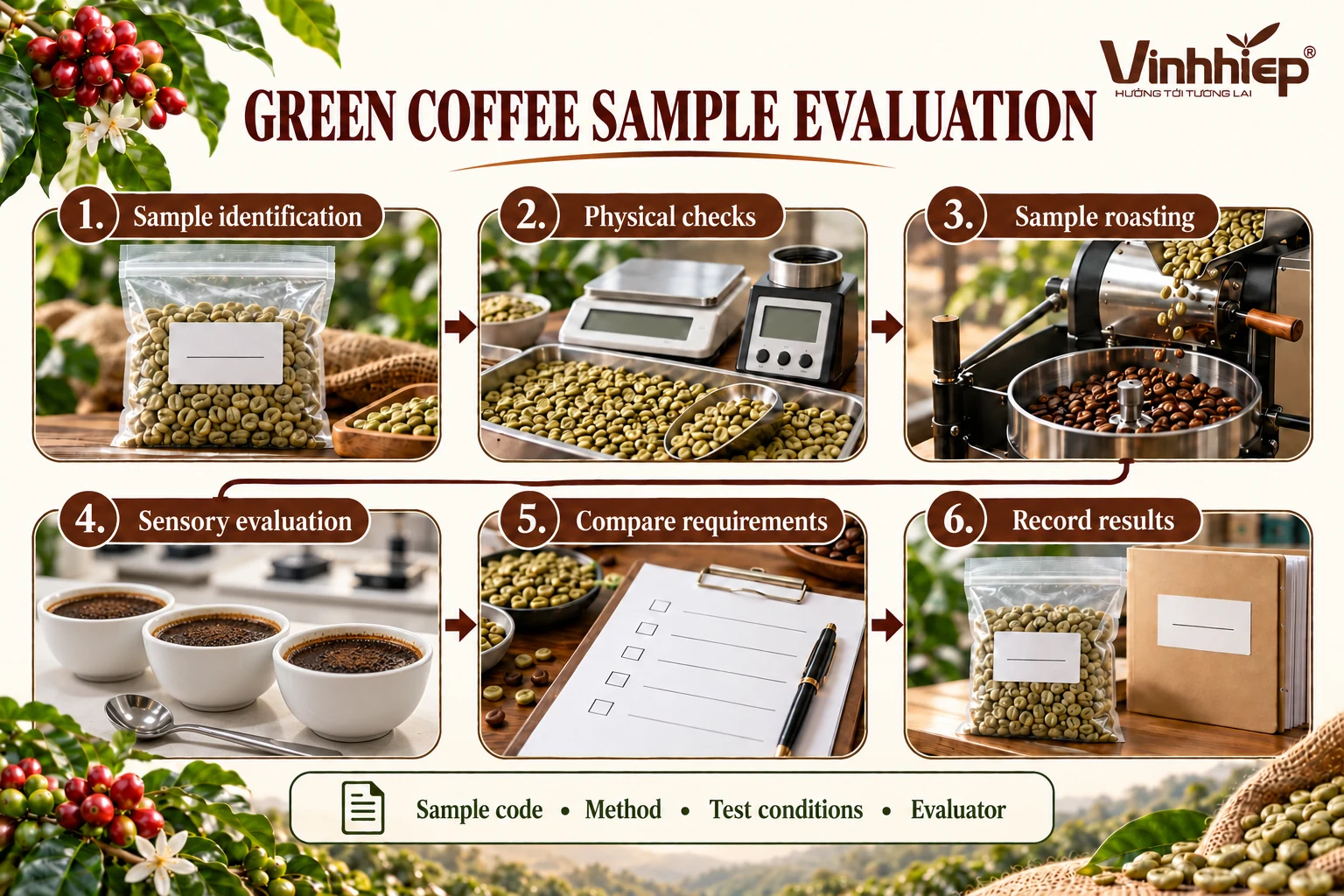
Describe an observation rather than writing only “failed”. Without the test conditions, the sender may be unable to distinguish raw-material differences from roasting or evaluation effects. The sample evaluation guide provides a record structure.
Set an internal target for consolidating results and discuss it with participants. An internal plan should not be treated as a supplier commitment unless confirmed.
Commercial information for the next step
19. Can the expected quantity and destination be considered within the supplier’s capabilities? Explain whether the enquiry is exploratory, a product trial or recurring purchasing. Capacity must be confirmed for the proposal rather than inferred from company scale.
20. Which tasks and conditions does the quotation include? Clarify product, packaging, delivery point, proposed timing and stated costs. Mark missing fields before comparing prices.
21. How will changes to specification or source be assessed? Agree how information is communicated and who approves the affected step. Earlier sample acceptance does not replace later change control.
Consolidate these answers with the latest proposal version. Where several messages exist, confirm the final position so that a price from one version is not combined with another product’s specification.
The supplier selection guide explains where these questions sit within screening, comparison and follow-up after purchasing.
A short enquiry template
| Field | Buyer information |
|---|---|
| Product | Form, type or grade of interest |
| Application | Planned roasting, brewing or blending use |
| Specification | Mandatory limits and fields needing advice |
| Demand | Quantity, purchasing frequency and destination |
| Sample | Purpose, planned material needs and receiver |
| Documents | Origin, programme or other records required |
| Feedback | Coordinator, form and questions requiring confirmation |
Add columns for evidence and status when replies arrive. A field can be clear, awaiting clarification or not yet provided. This shows which decision is supported rather than treating any response as completion.
Frequently asked questions
Can we ask for samples without knowing the screen size?
Yes. Explain the application and quality requirements already known. Mark the grade as requiring advice, then confirm the proposed product before testing.
Must all 21 questions be asked immediately?
Choose those affecting the present stage. Initial contact can focus on product, application and sampling; detailed information should be resolved before the decision it supports.
Is a photograph of the sample enough?
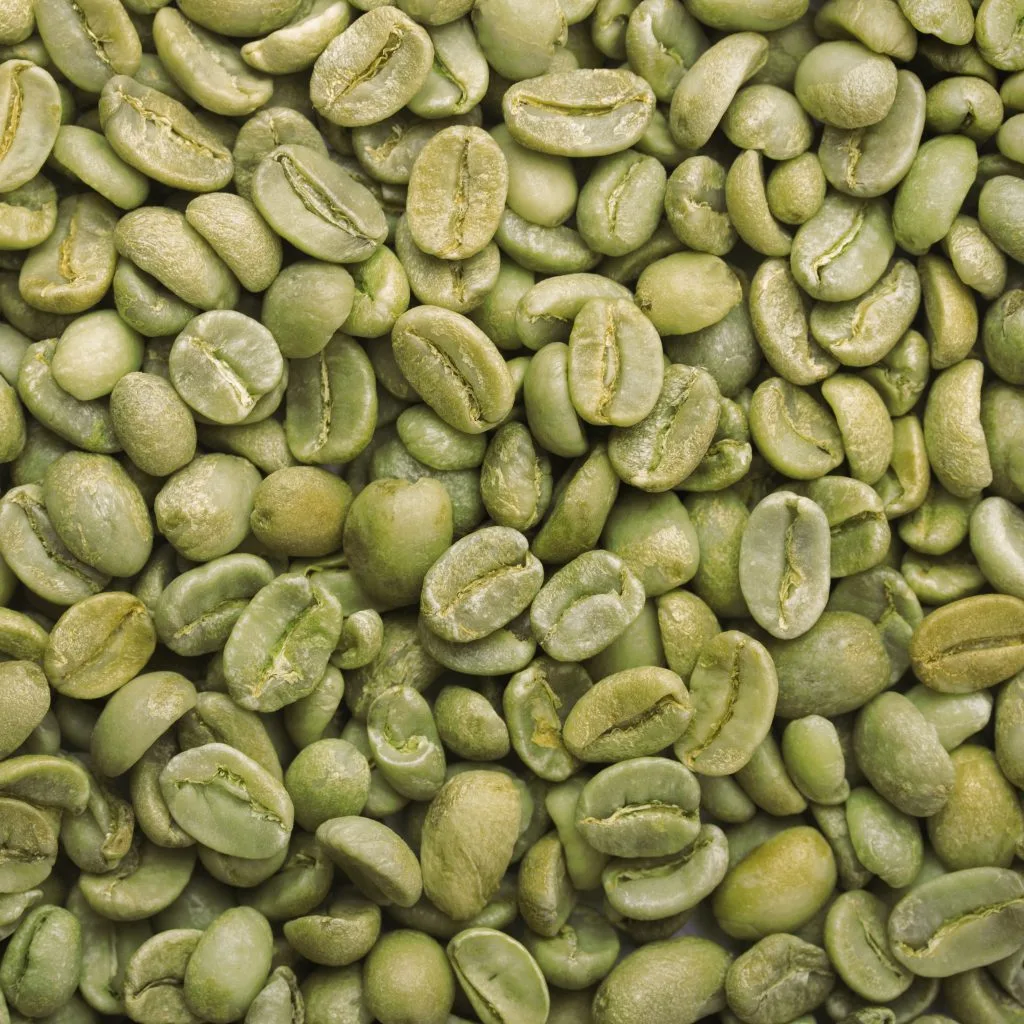
A photograph supports identification and some visual observations. Moisture, defect, sensory and lot-linkage questions need appropriate data or evaluation.
What if a reply is incomplete?
Return the table with the remaining fields and requested evidence. Prioritise the questions affecting the next decision and keep one coordinator to reduce repeated requests.
Send the enquiry to Vinh Hiep
Review the green coffee range and, where origin matters, the Gia Lai guide. Then contact Vinh Hiep with the brief and priority questions so the team can check products, samples and documents for the proposal.