

Sustainable coffee
Browse by topic

Vinh Hiep joins SAFE project launch on agriculture, forests and livelihoods
On 22 April 2025 in Hanoi, Vinh Hiep participated in the launch of the SAFE project. The programme connected sustainable agriculture, forests and livelihoods, with support involving the European Union, Germany and the Netherlands and
Read more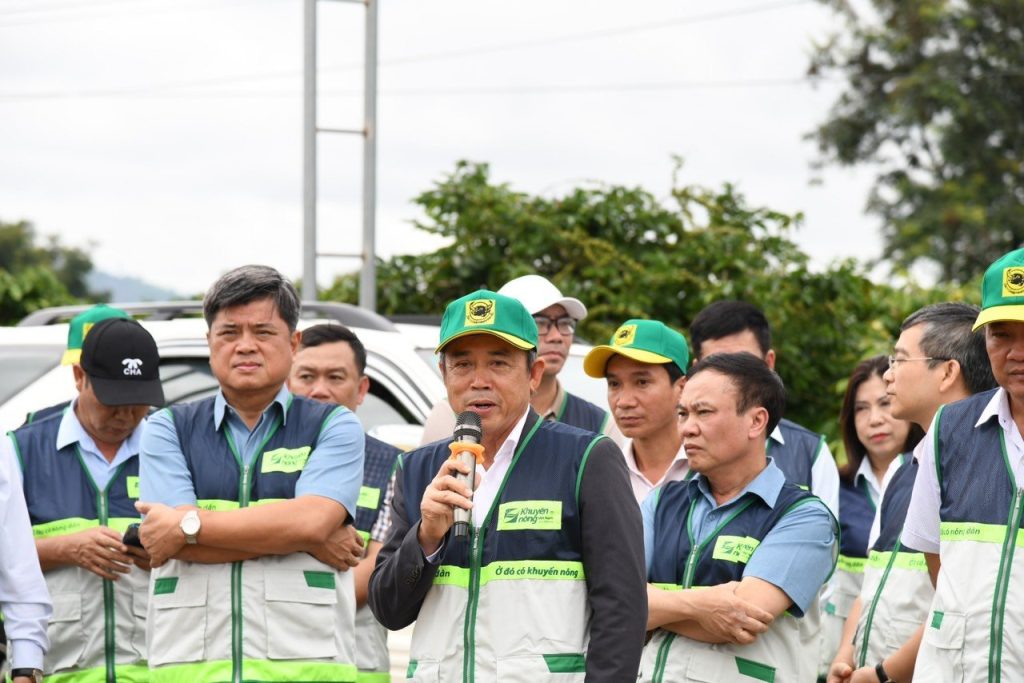
Community extension review visits Vinh Hiep’s coffee supply chain
On 1 August 2024, a programme reviewing two years of the community agricultural extension initiative included a visit to Vinh Hiep. Agriculture minister Le Minh Hoan and National Agricultural Extension Centre director Le Quoc Thanh
Read more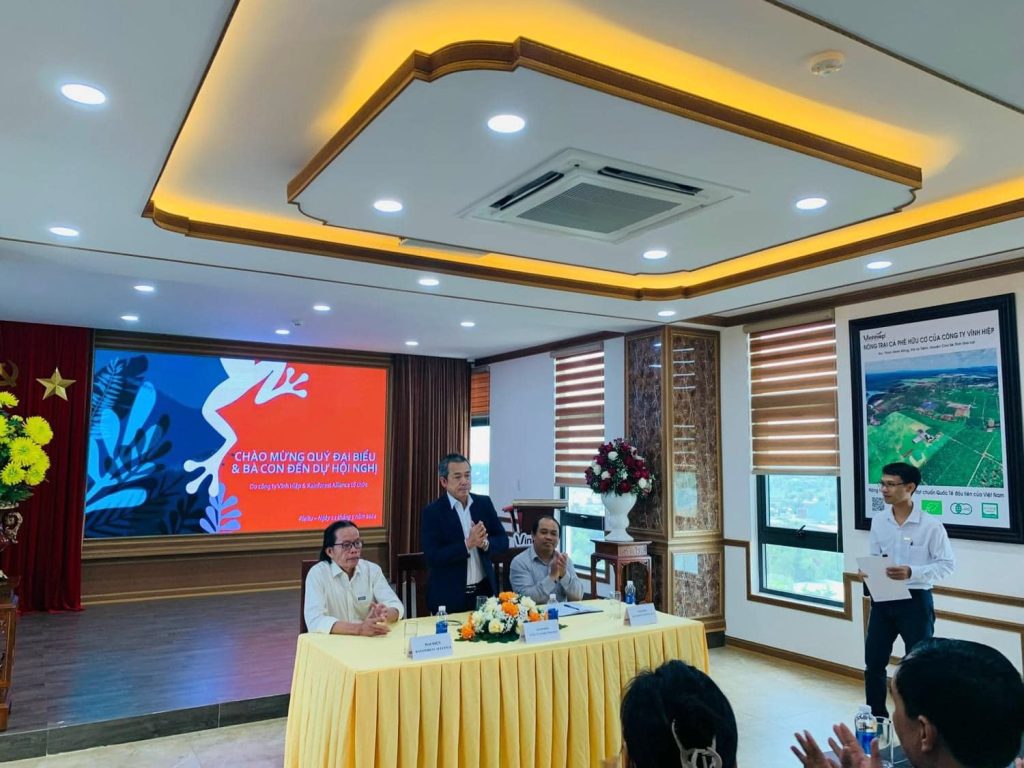
Voluntary carbon project launches for coffee agroforestry in Gia Lai
On 22 May 2024, Vinh Hiep and Rainforest Alliance Vietnam held the launch of a voluntary carbon project in Gia Lai's coffee-growing areas. The programme connected agroforestry with the prospect of longer-term environmental and livelihood
Read more
Vinh Hiep recognised at ASEAN rural development awards in 2023
Vinh Hiep represented Vietnam's private sector at the sixth ASEAN Rural Development and Poverty Eradication Leadership Awards in Singapore in November 2023. The programme was associated with the 13th ASEAN Ministers Meeting on Rural Development
Read more
Vinh Hiep and JDE launch five-year coffee grower project in Gia Lai and Kon Tum
On 7 November 2023 in Pleiku, Vinh Hiep and JDE held a grower appreciation event and introduced a five-year cooperation project for coffee-growing communities in Gia Lai and Kon Tum. More than 400 people attended,
Read more
Vinh Hiep and Fanvity discuss digital production and traceability cooperation
On 27 October 2023, Vinh Hiep and Fanvity took part in a cooperation activity at the National Barcode Centre, 8 Hoang Quoc Viet, Hanoi. The programme concerned digital tools for production management and traceability.
Read more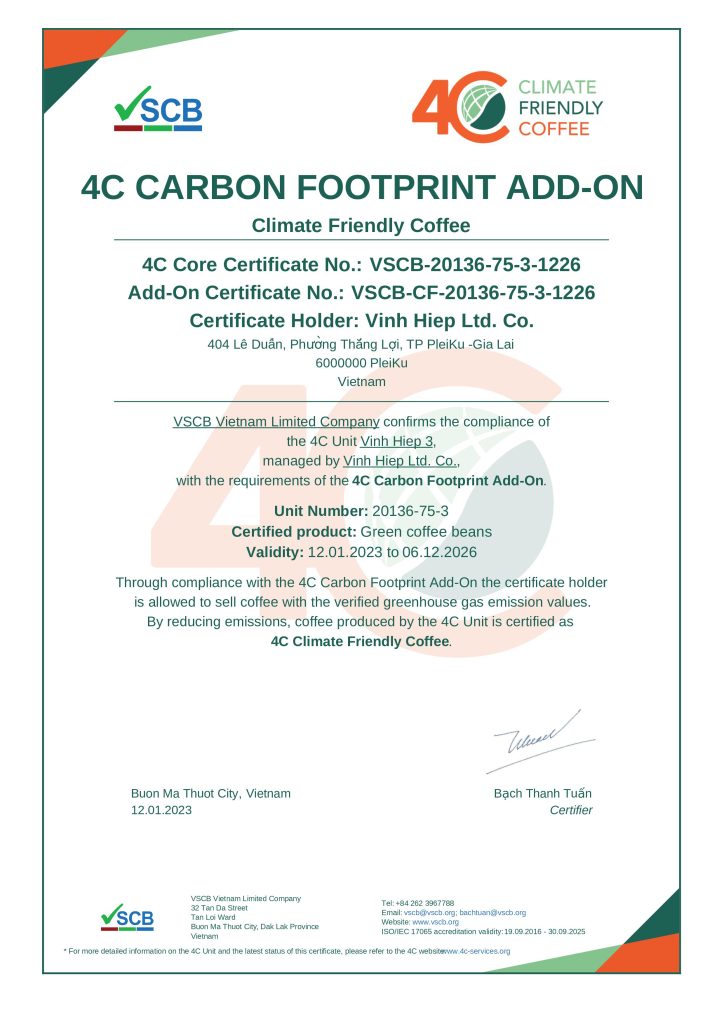
Vinh Hiep reports 4C Carbon Footprint Add-On milestone in January 2023
On 12 January 2023, Vinh Hiep reported receiving a 4C Carbon Footprint Add-On certificate. The company described the milestone as part of its work to bring environmental and social considerations into coffee production.
Read more
Vinh Hiep discusses investment in sustainable coffee processing
In an update published on 6 January 2023, Vinh Hiep discussed investment in machinery and production at its Binh Duong factory. The report connected manufacturing improvements with a longer-term direction for sustainable coffee development.
Read more- 1
- 2
Sustainable coffee: understanding activities, evidence and scope
Sustainable coffee sourcing connects questions about production, people, environmental information and the way supply-chain records are maintained. This category brings together English-language guides and published updates from Vinh Hiep. It helps buyers understand what to ask when reviewing a sustainability statement, tracing a proposed lot or reading a reported environmental result. The focus is on connecting an announcement with the documents and definitions needed to understand its meaning for a particular sourcing enquiry.
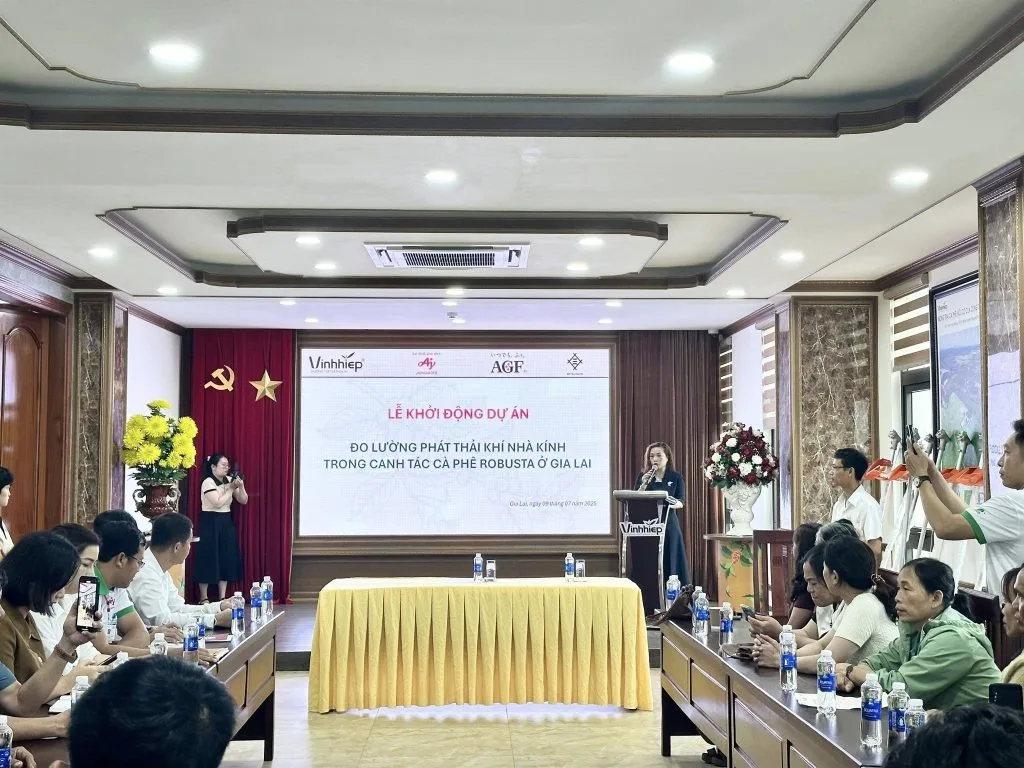
A project, a certificate and a verified study each describe a different type of information. Their scope may depend on a named organisation, product, location, period or method. Before using a statement in a purchasing decision, identify those details and check how they relate to the coffee under discussion. A photograph, award or general ambition does not establish the status of every lot. The articles here provide a route into the subject, while the relevant records should be reviewed for the specific requirement.
Start with sustainable coffee sourcing: checking records and scope for a practical document-review approach. Continue with coffee traceability documents to consider how identities and records connect across sourcing and handling. For environmental results, read the published study summary with its period, product and assessment boundary in view. When contacting Vinh Hiep, explain which information your team needs and why it matters to the proposed purchase. A defined question helps distinguish general background from the documents that can support an enquiry, and gives both parties a clearer basis for confirming what is available and what still needs to be checked.
The sections below explain how to organise that review by question and document type. Keep the product reference beside the material you read, and note which point each record addresses. This provides a useful basis for follow-up when the available information does not yet answer the enquiry.
Start with the question behind the requirement
A buyer may be reviewing a sourcing policy, checking a product statement or gathering records for an internal process. Each purpose can require different evidence. Write the question before requesting a collection of documents, and identify the product or lot to which it relates. If your requirement names a particular programme, ask for the applicable information and its scope. This makes the review more manageable and helps the supplier understand what a useful response should contain. Keep unresolved questions visible rather than treating the receipt of a document as the end of the review.
Connect traceability information across the chain
Traceability records are useful when material can be followed through receiving, processing and transfer steps using consistent references. Ask which identifiers connect the documents, when the information was recorded and who is responsible for it. The information shared may vary with the enquiry and the parties involved, so establish what can be provided before drawing a conclusion. If a record describes a wider supply area, clarify how it relates to the proposed lot. Keep gaps in the record as questions for follow-up rather than filling them with general statements about a region.
Read environmental results with their boundaries
A carbon-footprint result should be read together with the product definition, period, unit and assessment boundary stated in the supporting material. Also distinguish the underlying study from the verification of that study and from a longer-term ambition. Vinh Hiep has published material about a green coffee carbon-footprint assessment. Readers should use the details in the relevant article to understand the reported result. Extending a figure to another product, period or activity requires its own basis. In a sourcing review, identify the exact statement you need to assess and request the corresponding information.
Understand what a project update establishes
Reports about a collaboration, workshop or programme introduce activities at a stated point in time. They may explain the purpose of a project, the participants and the work planned or reported. A launch story does not necessarily describe the final outcome, and a completed activity may be only one part of a wider programme. Look for later updates where the current stage matters to your review. When asking for clarification, identify the named project and the point you want to understand, such as the relevant area, period or type of information being collected.
Check documents against the proposed supply
When a sustainability-related document is relevant to a purchase, compare its named entity, product scope, location and dates with the enquiry. Record which part of your requirement it addresses and which questions remain open. Do not rely on a programme name appearing in a news article to establish the status of a particular delivery. A clear review record should allow another member of the team to see what was checked and why a follow-up was needed. Confirm any product statement with the responsible contact before using it beyond the scope described in its supporting material.
Carry the review into a practical sourcing brief
After reading the guides, add the relevant information requests to your purchasing brief alongside the product specification and sample requirements. The coffee sourcing and export category explains how to organise the wider supplier conversation, while coffee origins provides context for questions about growing areas. When approaching Vinh Hiep, identify the product, the intended use of the information and the documents your team wants to review. This helps move the conversation from a broad sustainability interest to a set of specific questions that can be answered and recorded.