Vinh Hiep’s first organic green coffee shipment to Japan: March 2024
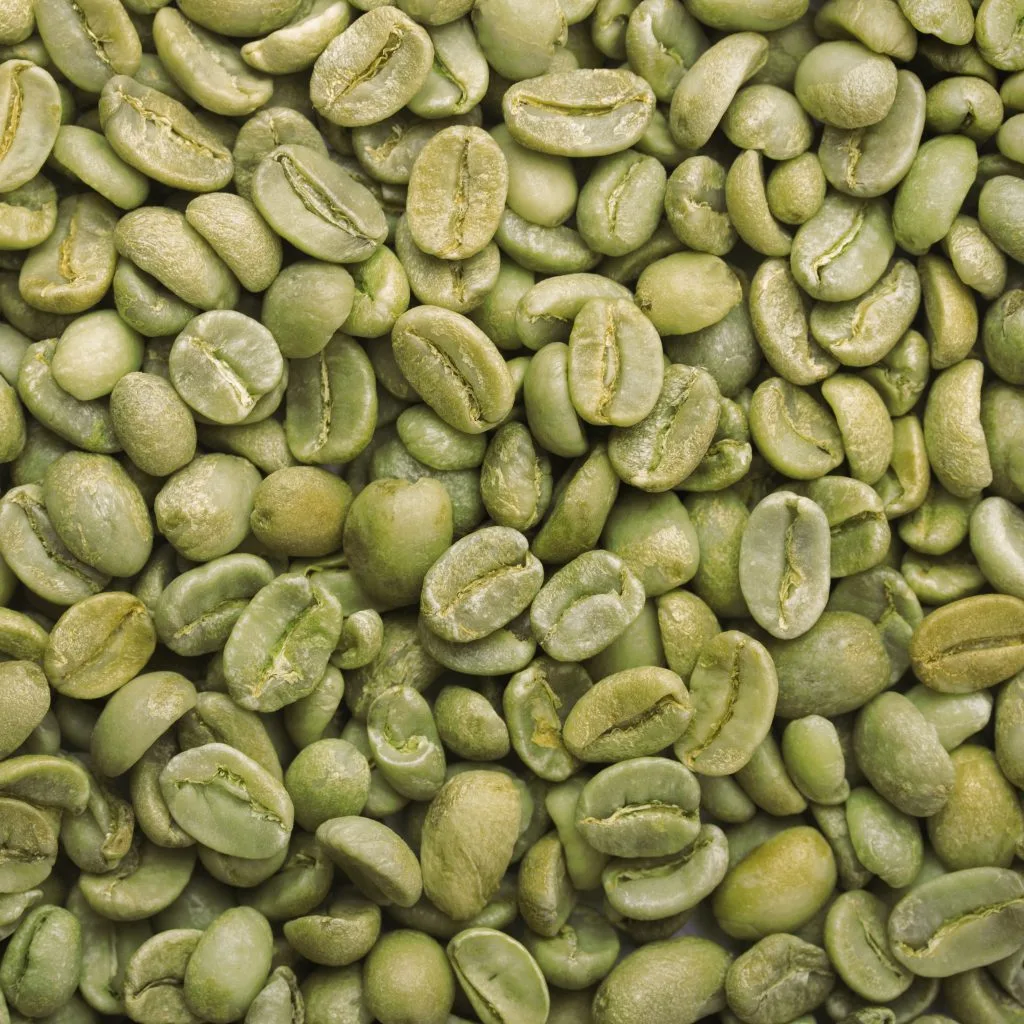
On 19 March 2024, Vinh Hiep exported its first shipment of organic green coffee to Japan. The shipment followed several years of work on organic cultivation and two years of discussions with the Japanese partner.
Information for buyers of Vietnamese organic coffee
For a current purchase, identify the product form, intended use, destination market and expected quantity. An organic green coffee enquiry also needs a clear statement of the organic standard and documents the buyer wishes to review.
Ask for the certificate holder’s name, the product and activity scope, the validity period and relevant references. A sustainability project report or a logo on a website cannot answer all of these questions. Traceability records help connect the proposed product, sample and lot.
Agree on how the sample will be identified and which physical and sensory requirements it will be evaluated against. The shipment described here is a historical event; the availability and documentation of a new order need to be confirmed for that order.
A shipment during a period of rising prices
The March 2024 shipment took place during a sharp rise in coffee prices. The original report cited a green coffee price of VND 92,000 per kilogram on 12 March 2024, approximately twice the level a year earlier and more than 30% above the end of 2023. This is a historical market figure, not a current quotation.

Thai Nhu Hiep, a vice chairman of VICOFA, linked the price movement to limited global supply and demand pressures. He discussed the impact of climate conditions and El Nino on production, including Robusta supply.
Keeping quality within the long-term strategy
The discussion warned against allowing short-term price movements to displace work on cultivation and quality. The company’s view was that stronger farmer relationships, controlled supply chains and clear origin records were important to the longer-term value of Vietnamese Robusta.
In 2024, Vinh Hiep reported links with more than 11,000 farming households. It described organic production and participation in sustainability programmes as part of that development. These programmes covered defined activities and products, rather than creating one identical certification status for every coffee sold by the company.

From organic conversion to the Japanese market
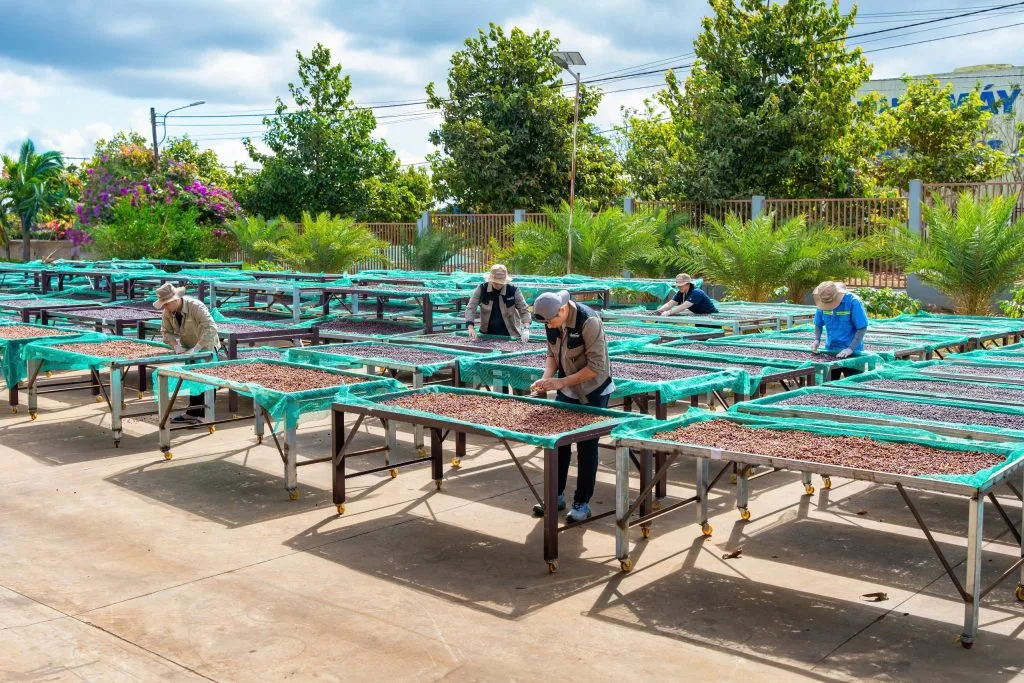
In 2016, Vinh Hiep began converting 42 hectares of conventionally managed coffee land towards an organic model following USDA requirements. The investment involved changing farm management and developing the practices needed for organic production.
The company began negotiations with the Japanese partner in 2022. After two years of discussions, the first shipment was dispatched on 19 March 2024.
Deputy director Tran Thi Lan Anh described the shipment as a milestone for the company and its work to increase value for coffee growers. It brought the farm development effort into a commercial relationship with a customer in Japan.
Preparing a specific enquiry
Buyers can use this report to understand the history behind the company’s organic coffee activities. To assess a present proposal, send the required product form, specification, quantity and destination together with a request for samples and the relevant organic documentation.
The enquiry can then be reviewed against the coffee actually proposed. This keeps the conversation focused on the buyer’s requirements and the records supporting that supply.