Using Gia Lai Coffee Origins in Your Product Range
A customer picks up a bag of roasted coffee and asks why you chose this origin. The answer should connect a place with the product in the bag: where the green coffee comes from, how it was prepared and what your roastery chose to do with it. A useful Gia Lai coffee origin story can make that connection without borrowing a farmer’s experience or promising a flavour that nobody has tested.
Begin with the ingredient you are actually considering. Vinh Hiep’s green Robusta products provide named lines to discuss for your range. If Gia Lai origin is an essential part of the product, establish that requirement while selecting the coffee. The company’s connection with a region and the confirmed origin of a proposed supply are related pieces of information, but they are not automatically the same fact.
Start with the product your customer will drink
An origin story becomes more useful when it explains your choice. A roastery developing a new phin coffee may want to introduce customers to a preparation they have not used before. An espresso blend may need to explain why an ingredient was chosen for the recipe. A separate origin product may focus more closely on the coffee itself.
Decide what the customer needs to understand at that moment. On a retail bag, space is limited and the product information must be easy to identify. On a product page, there is room to explain the origin and the trial behind the roast. At a café counter, the answer needs to be short enough for staff to use naturally.
The most useful starting material is your own real decision. You selected an ingredient, tested it and developed a product for a particular use. Describe those actions only as far as they actually happened. An honest account of a roast trial is more distinctive than a dramatic account of meeting a grower when no such meeting took place.
If testing has not happened yet, keep the public claim at the stage you can support. You can introduce an intended origin project without writing as though the finished coffee has already been released. Product development and the eventual customer story should move forward together.
Give Gia Lai regional context without inventing a farm
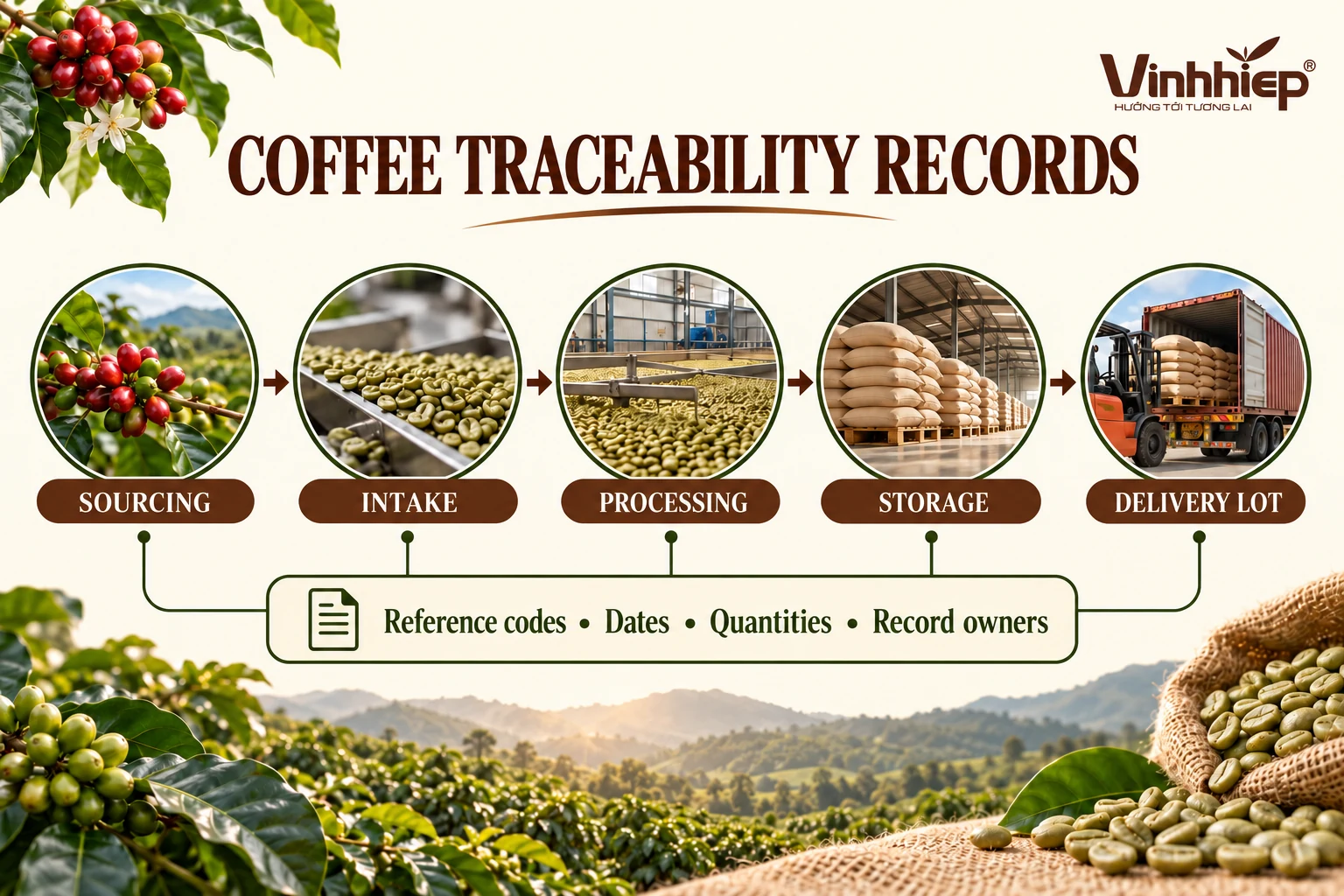
Gia Lai appears in Vietnamese coffee discussions through its coffee-growing areas and its connection with the Central Highlands. A Ministry of Industry and Trade article published in February 2023 describes the region’s coffee in relation to land and climate. That source concerns the Gia Lai area described at the time of publication.
Use regional background at that scale. It can help a customer place the coffee geographically and understand why coffee is associated with the area. It does not establish a specific farm’s altitude, the variety in a proposed lot or the growing conditions of every coffee sold under a regional description.
Avoid filling those gaps with a familiar origin narrative. Red soil, cool mornings, careful hands and family tradition may sound plausible, but they still describe particular conditions or people. Include them when they are documented for the material being presented, rather than because they make the paragraph sound like a coffee story.
The Gia Lai coffee origin guide provides a starting point for the region and products. When selecting your ingredient, confirm the origin detail needed for your own claim. A narrower, accurate statement is easier for staff and customers to understand than an elaborate story with uncertain foundations.
Keep region, processing and your roast in separate roles
Origin tells a reader about place. Processing describes work that happened between harvest and the green ingredient. Roasting and brewing describe what happens next. These parts belong in one story, but each needs its own support.
If the proposed coffee is described by a processing name, confirm the information before using it in your product copy. Natural, Washed and Honey describe different ways of handling the fruit and mucilage around the seed. They do not establish a fixed taste that can be copied onto a roasted-coffee label.
Similarly, Clean in a Vinh Hiep product name refers to a named commercial line with published physical conditions. It should not be read as proof that the coffee was washed, or as a description of a sensory result. Understanding the Vietnamese Robusta range explains how those terms fit into product selection.
Your roast is the part your own team can explain from its development work. If you adjusted a recipe and observed a result, describe that result in relation to the tested coffee. Do not attribute every feature of the final drink to the region alone when the roast and preparation also shaped it.
Use tasting language that comes from the cup
An origin page can give context, but flavour descriptions need a tasting basis. Evaluate the coffee in the use you intend to sell. A blend component should be examined in the blend; a phin coffee should be prepared through the intended method before final product copy is chosen.
World Coffee Research’s Sensory Lexicon provides shared attributes and references for sensory description. Its value is in helping people use terms consistently. It is not a list of flavours that can be assigned to an untested coffee because its origin or processing sounds similar.
Plain language works when it describes a real observation. Your team does not need to force rare tasting notes into every product. Record the aroma, taste, texture and finish you can discuss with confidence, then decide which of those observations will help a customer choose and prepare the coffee.
When a result depends on a serving style, keep that context. A note from espresso taken black may not describe how customers experience the drink with milk. If the product is intended for home brewing, the customer needs a usable preparation direction alongside the story, rather than a long list of sensory adjectives.
Connect supplier history with the correct time and scope
Vinh Hiep has published activity linking the company with coffee production in Gia Lai. On 8 October 2021, it announced a launch and signing event for a high-quality coffee linkage programme covering 2021–2025, together with its specialty coffee project. The report describes participation by cooperatives, growers and local representatives.
That historical programme announcement can support a dated statement about the company. It does not establish that every coffee purchased today comes from the programme, that all announced goals were achieved or that a present product carries a particular certification.
If you want to mention a partnership in your own origin page, decide which relationship you are describing. A supplier’s published activity is different from your roastery’s participation in that activity. Using a supplier does not mean your team personally visited the farms, trained growers or negotiated a production agreement.
You can discuss the origin information relevant to your chosen product with Vinh Hiep. Explain what you intend to communicate so the conversation addresses the actual claim. The aim is to build a story around information that fits the material you plan to roast, rather than attach a general company presentation to every coffee.
Build a short story from confirmed facts
A product story can begin with three distinct pieces: the confirmed origin, the green product selected and your own reason for the roast or recipe. These do not all need equal space. Put the information that helps the customer choose near the beginning, then allow the regional explanation to add depth.
For example, imagine a roastery has confirmed its coffee’s Gia Lai origin and completed a phin trial. It could explain that the coffee comes from Gia Lai, that it selected a named Robusta ingredient and that it developed the roast for the stated phin preparation. The tasting description would come from that trial. This is a suggested structure, not a report of a Vinh Hiep customer’s results.
Compare that with a paragraph that claims generations of family expertise, unique volcanic flavours and direct farm relationships without supporting information. The second paragraph contains more apparent detail but gives the customer less reliable guidance. More adjectives do not make the actual ingredient easier to understand.
When the coffee is a blend, keep the scope of the origin statement clear. A component’s origin should not silently become the origin of every ingredient. Explain the role of that component in the product, using the confirmed information available for the other ingredients where relevant.
Match the detail to the surface
A short café introduction can name the region, the type of coffee and the intended serving. Staff can then answer the next genuine question. They should not have to memorise an extended historical passage to explain what a customer is ordering.
A product page can go further: introduce the origin, describe your selection and trial, show an appropriate image and offer preparation guidance. Keep those parts connected. If a paragraph does not explain the coffee, the people involved or the way it will be used, consider whether it belongs on that page.
Choose photographs that show the work being described
A photograph of a grower, cherries being sorted or green coffee being prepared can make the process easier to understand. Use an image whose source and permitted use are clear. Identify the time and activity when those details matter, especially for historical events.
Do not let an image imply a relationship the copy cannot support. A farm photograph used for general regional context should not be captioned as the exact farm of the purchased coffee unless that connection is established. A processing illustration should explain the stage shown, rather than present itself as a record of a named production line.
The caption has a practical job. It can explain why ripe-fruit selection matters in the sequence, what remains around the seed during drying or how the green material reaches the roaster. A caption about the tool used to create the image adds little to the customer’s understanding of the coffee.
For an English product page, keep supporting visual explanations understandable to the reader. A clear photograph with an accurate English caption often works better than a busy diagram full of terms that must be translated. The image should support the decision already being explained in the paragraph.
Keep the story connected when the product changes
Origin copy can outlast the material that first prompted it. When the ingredient, confirmed origin or processing information changes, review the relevant description before reusing it. The same packaging design or product name does not establish that every earlier detail remains true.
Keep a simple connection between the chosen ingredient, the approved public facts and your tasting observations. That allows the team to update the right paragraph without rewriting the entire brand story. It also helps café staff distinguish a stable regional explanation from information specific to the coffee currently being served.
Where origin information is needed for shipment or formal declarations, the Gia Lai export-document overview explains the separate purposes involved. Customer storytelling and trade documentation can draw on related facts, but one is not a substitute for the other. Required label and market claims need to be checked for the product and destination concerned.
Start with a coffee you have a reason to choose
If you are still selecting the ingredient, S16 Clean is a named line with published physical limits that can support a starting discussion. Confirm the origin requirement and evaluate the candidate for your intended product. Your own trial can then give the story a real selection decision to explain.
For company context, Vinh Hiep’s products, facilities and partnerships brings the published records together. The coffee origins and green coffee knowledge sections provide background when the place or terminology needs explanation.
Contact Vinh Hiep about your product and origin requirement to continue. A useful origin story starts with the coffee being bought, explains a real choice and leaves the customer better able to select or prepare the drink. The region adds meaning when it stays connected to that actual product.
Sources
- Ministry of Industry and Trade, Gia Lai coffee, February 2023: regional context within the area described at publication.
- World Coffee Research, Sensory Lexicon: common language and references for sensory description.
- Vinh Hiep, linkage event, 8 October 2021: dated programme announcement and participating groups.
- Vinh Hiep, S16 Clean: a named green product with published physical conditions.