
Green coffee sample evaluation: a practical buyer’s record
Green coffee sample evaluation helps a buyer examine raw material before choosing a product and discussing purchasing terms. A useful result explains whether the sample suits the planned roasting or blending application, where it differs from the proposal and what still needs confirmation.
“Good-looking beans” or “the flavour is fine” gives little support for a later comparison. A stronger record identifies the sample, test method, roast conditions, sensory observations and decision. This workflow can be adapted to the professional method agreed by the buyer’s team and supplier.
Define what the sample is intended to show
Ask whether the sample introduces a product grade, comes from a lot being offered or supports a delivery comparison. Each has a different purpose. A result from one sample type should not automatically be extended to another.
Record the intended use. Coffee for phin brewing, espresso or blending may be assessed with different priorities. Describe the desired result through criteria that can be discussed, such as roasting consistency, sensory characteristics, defect limits or performance in the recipe.
Separate mandatory requirements from attributes being explored. This prevents a sample being rejected solely because it differs from an evaluator’s preference while still meeting the production need.
Where several people participate, assign responsibility for physical measurements, roasting and approval. Maintain one connected file while retaining independent observations where the chosen method calls for them.
Receive, identify and retain the sample
Record the receipt date, sender, packaging condition, product and reference. Retain the label information. If the package is open or shows unusual moisture or odour, note the condition before continuing and discuss it with the sender.
Use a consistent reference across physical testing, roast records and sensory sheets. For blind assessment, a coordinator can maintain the mapping between internal and supplier codes while evaluators work with anonymous references.
Agree on storage, waiting time and how portions will be taken. Keep samples away from strong odours, heat and contamination. Clearly identify retained material so it cannot be confused with a portion already used for testing.
Plan the amount needed for each activity before requesting a sample. Physical checks, roasting, tasting and retention may all need material. If the amount received is insufficient, request clarification rather than beginning a plan that cannot be completed.
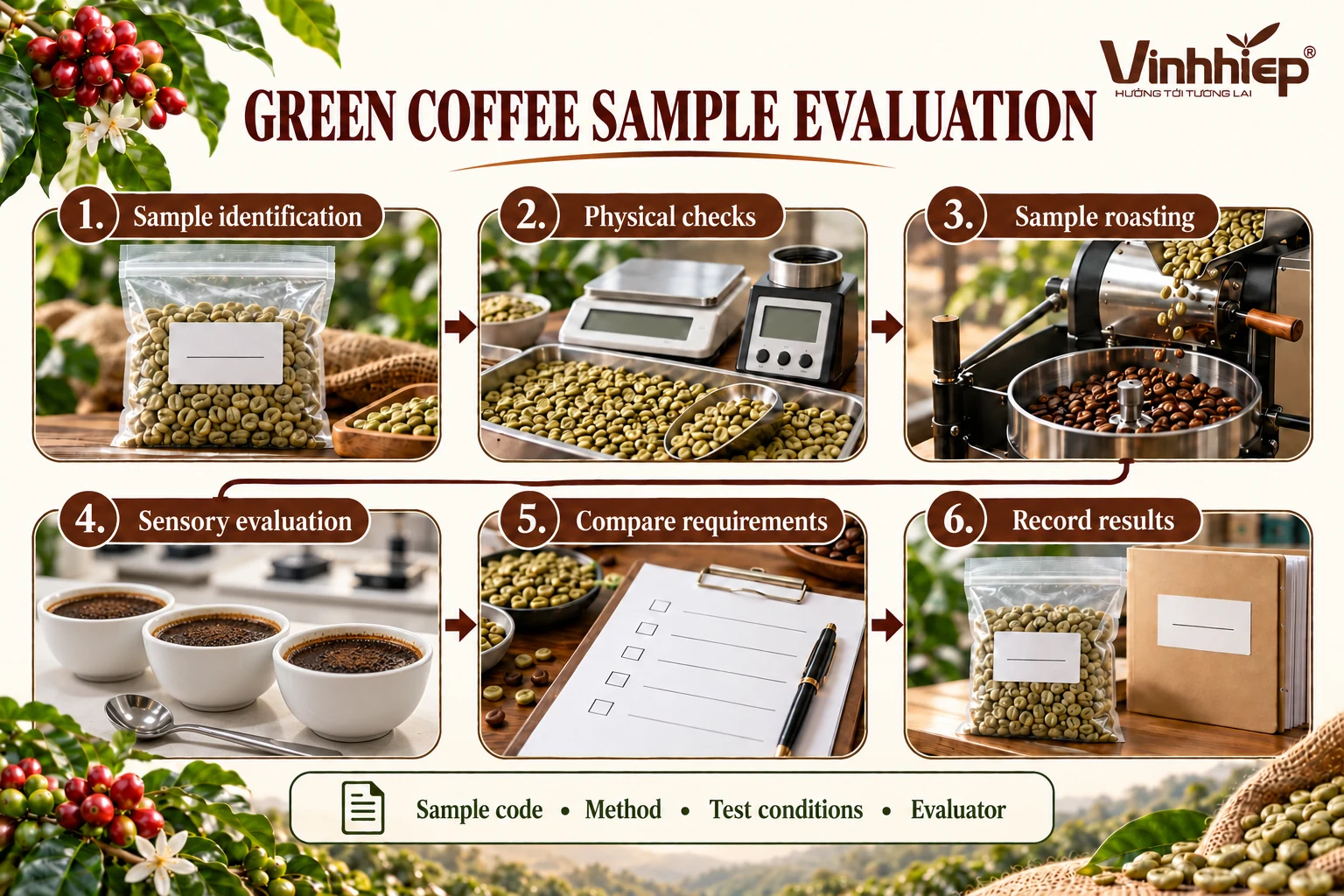
Compare physical results with the right specification
Physical evaluation can include screen distribution, moisture, defects and foreign matter under the selected procedure. Record the field name, unit, sampling approach and equipment. Identical-looking numbers from different methods may not be directly comparable.
For screen retention, identify the screen and minimum percentage. For defects, clarify whether black and broken beans are counted together or separately. Do not add two separate maximum limits and assume the result is the contractual combined allowance.
Record moisture using the applicable method and conditions. If a result differs from the proposal, review sample preparation, equipment condition and any repeat measurement required by the internal procedure before drawing a conclusion.
Keep an unusual visual observation separate from a quantitative measurement. Use the specification confirmed for that sample or lot; a published example from another grade does not become an automatic acceptance condition.
The Robusta specification guide helps prepare the comparison fields before material arrives.
Make sample roasting a controlled comparison
The roasting plan should support the question being asked. Agree on the equipment, batch size, approach and information to record. If two samples receive different treatment, describe the difference before attributing every cup difference to the raw material.
Retain reliable data available from the equipment and procedure: batch reference, timing, observations, operating adjustments and end point. Mark a batch affected by a problem so that evaluators understand its limitations.
A blender may need two stages. The first can assess samples under common conditions; the second can test the selected material within the intended recipe. Keep those purposes distinct in the record.
If a roast falls outside the planned conditions, decide whether to repeat it under the quality team’s procedure. An unsuccessful trial roast does not alone establish that the green material is unsuitable.
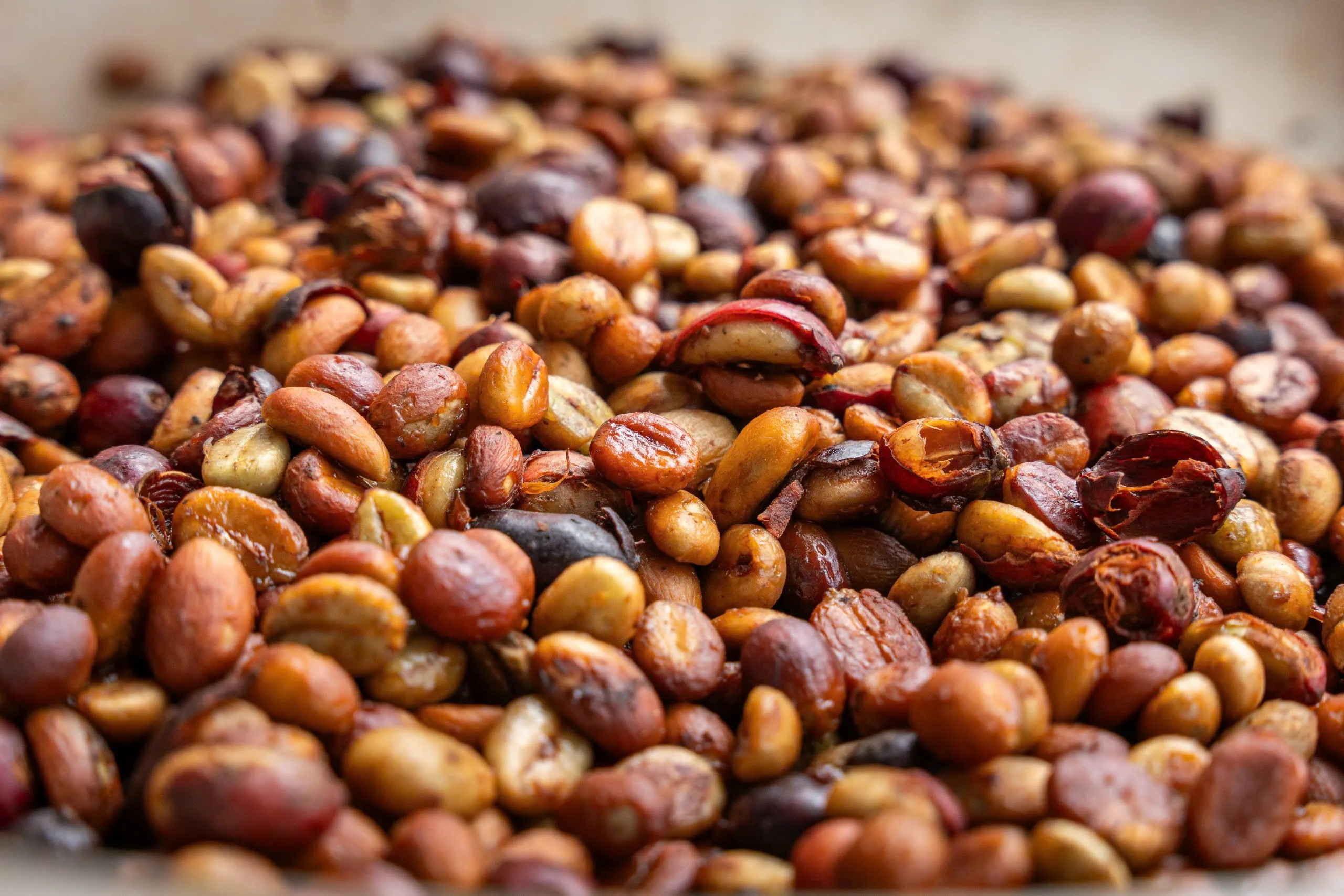
Describe sensory observations clearly
Record preparation and evaluation conditions, the sample code and evaluator. Use the chosen sensory method consistently across the comparison. Where a scoring system is used, retain the form and explain which method it belongs to.
Separate description from suitability. An observed characteristic and the judgment that it fits a particular blend are different statements. This makes feedback easier to interpret and helps the supplier understand the application.
Avoid allowing the brand name, price or a promotional description to decide the result before tasting. With coded assessment, the coordinator can reconnect observations with sourcing information after the sensory stage is complete.
For an application trial, record the recipe and preparation factors needed to repeat it. A sample may work well in one product while requiring a different approach elsewhere.
Use one connected evaluation sheet
| Section | Information to retain |
|---|---|
| Identification | Code, sender, receipt date, sample type and purpose |
| Requirement | Grade, mandatory fields and intended roasting or blending use |
| Physical checks | Method, equipment, results, units and observations |
| Roast | Batch code, conditions, operating data and any problem |
| Sensory assessment | Preparation, descriptions and application-specific comments |
| Comparison | Matching fields, differences and supplier questions |
| Decision | Approver, date, scope of acceptance and next step |
A spreadsheet or software record can work if it preserves the relationships. Avoid storing physical results in one file and the final decision in a separate conversation with no shared reference.
For repeated trials, create a new entry rather than overwriting earlier data. The history can help explain whether differences came from a changed roast, preparation or sample condition.
Link the decision with the proposed lot
Use a clear status: suitable for further discussion, further evaluation required or unsuitable for the current requirement. For conditional approval, name the condition. Sensory direction may be acceptable while origin or a defect limit remains unresolved.
Ask the supplier to explain how the sample relates to the offered goods. If it is introductory, keep that scope visible and agree on the later lot-confirmation step where needed. The traceability guide explains the fields connecting sample and product records.
If the parties obtain different results, compare methods, test portions and conditions. Share referenced data rather than a general disagreement. Additional checks or third-party testing should be agreed according to the transaction’s requirements and responsibilities.
For repeat purchasing, retain the requirement version and approved changes. A new source, crop period or grade may require a defined reassessment. One accepted sample does not remove the need to manage later changes.
Frequently asked questions
Can appearance and screen size determine the purchase?
They provide part of the physical description. The decision also needs the agreed specification, suitable trials and the intended application. Appearance does not establish sensory performance or origin.
Does an unsuitable sample roast mean the raw material is poor?
Review the roast and test conditions first. If the trial departed from the plan, record the issue and consider a repeat under the chosen procedure.
Should every Robusta sample use one score threshold?
Choose a method and criteria appropriate to the product, market and application. If a score is used, retain its method and conditions alongside the result.
What feedback is useful to the supplier?
Send the sample reference, test date, principal conditions, results and questions. Separate measurements from sensory comments and explain any change requested for the next sample.
Request a sample from Vinh Hiep
Prepare the application, grade of interest, origin requirement and evaluation plan. Use the questions before sampling to consolidate the enquiry, then contact Vinh Hiep to confirm options, sample information and the next step.