


Coffee origins
Browse by topic
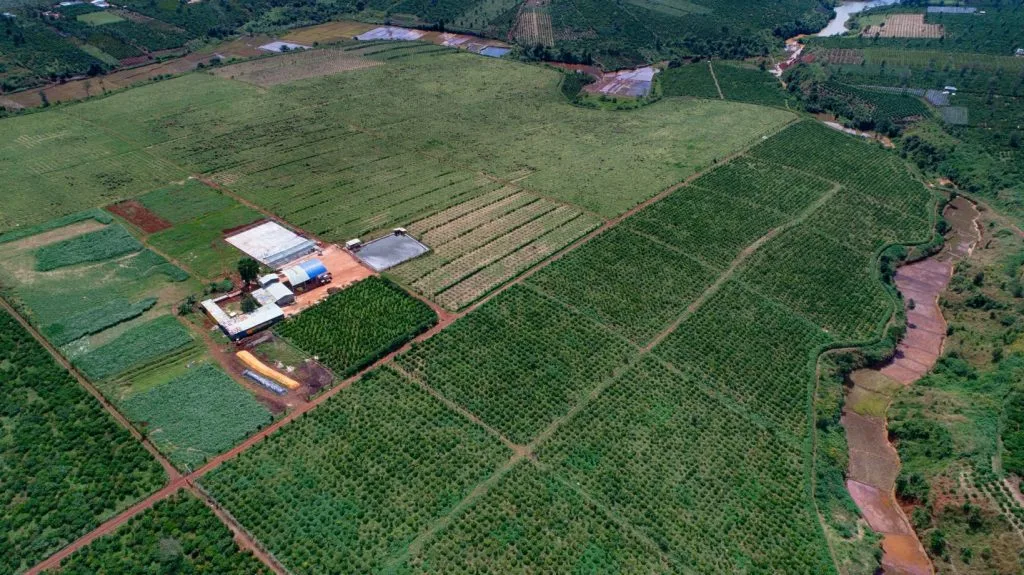
Central Highlands coffee: products, growing areas and buyer checks
Central Highlands coffee describes coffee associated with Vietnam's Tay Nguyen region. A buyer will encounter several product forms and descriptions, including green beans, roasted coffee, ground coffee, variety names, origin names and screen grades. Choosing
Read more
Infrastructure component launches for Central Highlands coffee sourcing areas
On 22 August 2023, an event at Vinh Hiep launched infrastructure work associated with Component 5 of the project supporting agricultural sourcing areas. Deputy Minister Tran Thanh Nam attended the programme, which focused on improving
Read more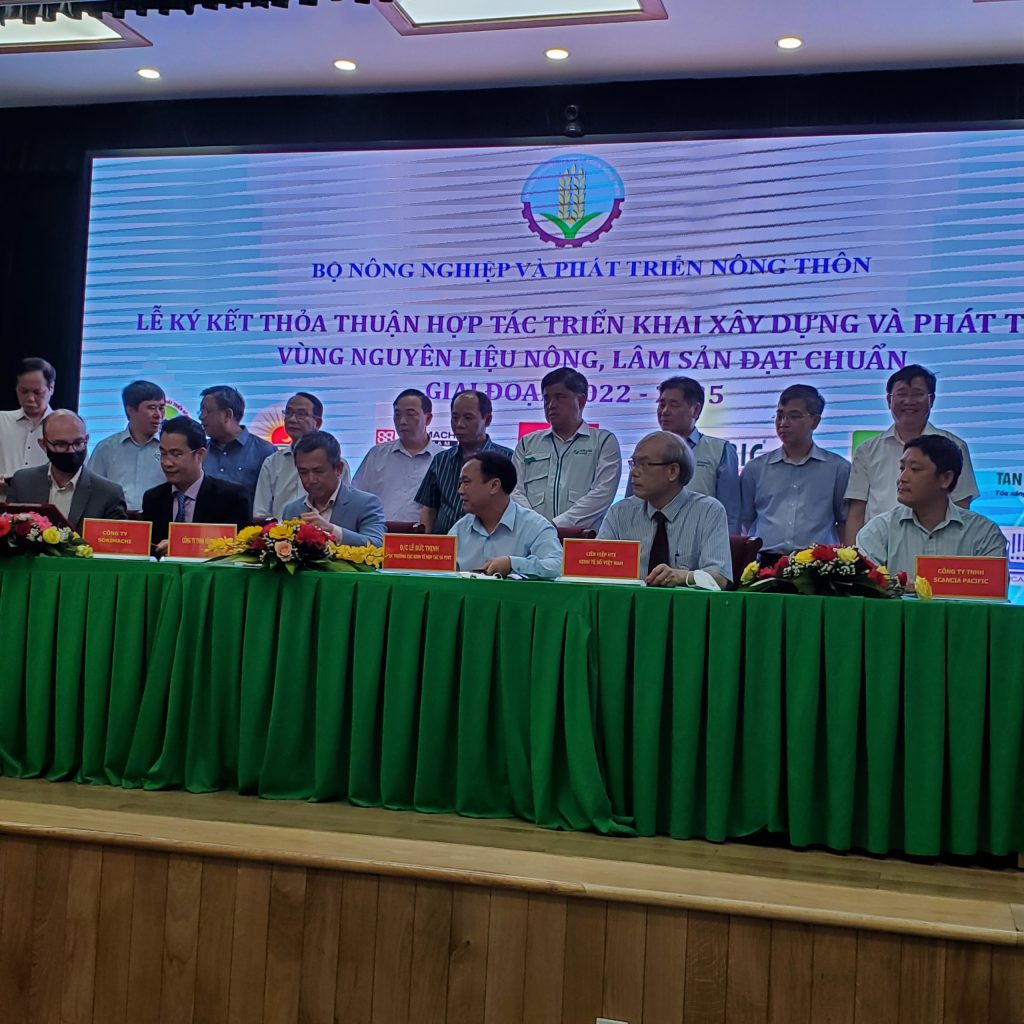
Vinh Hiep joins cooperation on standardised agricultural sourcing areas
On 29 March 2022 in Ho Chi Minh City, Vinh Hiep joined a cooperation event associated with the pilot project to develop standardised agricultural and forestry sourcing areas for 2022–2025. The initiative connected production areas
Read more
Coffee origins: exploring Gia Lai and the Central Highlands
Coffee origin gives a buyer a starting point for understanding raw material. It helps frame questions about growing areas, harvesting, processing and the records that accompany a proposed lot. This category brings together Vinh Hiep articles about Gia Lai coffee and growing-area activities. It is intended for readers who want to understand the place behind a sourcing enquiry before moving into product selection, sampling and document review. Regional information becomes more useful when it is connected to those practical steps.

A place name does not describe every characteristic of a coffee. Within a growing area, lots can differ in variety, handling, processing and their recorded physical characteristics. The place where coffee is collected or processed may also need to be distinguished from the area in which it was grown. For this reason, an origin introduction and a lot-origin record serve different purposes. Photographs and project news offer context, while the information for the proposed supply must be checked with the relevant records.
Begin with the Gia Lai coffee export and origin guide to prepare questions about products and sourcing. Use coffee traceability documents when you need to understand how records connect sourcing with an identified lot. Read older project updates with their dates in mind, particularly where a programme has a defined period or several stages. If origin is an essential condition of your purchase, state it before requesting a sample. This gives the supplier a clear requirement to address and helps your team distinguish general regional knowledge from information that can be confirmed for the actual enquiry.
The following sections suggest a sequence for that review. Keep the regional information alongside your product brief, identify where a lot-specific answer is needed and use those points to guide the next conversation. This keeps the research connected to the decision your team is preparing.
Define what you need to know about origin
Start by identifying why origin matters to the purchase. You may need regional context for product development, a particular sourcing area for a customer brief, or supporting records for an internal review. These needs can require different information. Write the requirement in specific terms and ask which records can support it. If a supplier uses a regional name, clarify whether it refers to the growing area, a collection point or a processing location. Clear definitions at this stage help avoid a later disagreement about what the description was intended to mean.
Read Gia Lai information alongside product data
The articles in this category introduce Gia Lai in the context of coffee sourcing and activities reported by Vinh Hiep. To move from background reading to an enquiry, connect that information with the type of coffee you need. Ask for the applicable specification, the sample reference and the origin information available for the proposed material. Do not assume that every product listed by a supplier has the same origin. A regional introduction can help you ask better questions, but product selection still depends on the actual requirements and the information supplied for the relevant coffee.
Understand the role of harvest and handling records
Harvest-related information helps place a sample in context. Where available, record the relevant period, receiving information and processing details alongside the lot reference. When assessing a new sample, compare it with the current purchasing requirement rather than assuming that an earlier sample will describe it fully. Note changes in appearance, physical measurements or trial results and ask for clarification where needed. Keeping the records separate for each sample gives your team a clearer history and makes it easier to explain changes in a sourcing decision across different periods.
Treat growing-area projects as dated updates
A report about a project launch, working session or production link describes an activity at a particular time. Look for the location, participants, stated period and the work being discussed. A launch announcement may explain the purpose of a programme without confirming every later result. If the current stage matters to your enquiry, request an update for the named project. This approach allows you to use the news as useful background while keeping your supplier review focused on information that has been confirmed for the present question.
Connect the location with the lot
Traceability review asks how the identity of material is maintained as it is received, processed and transferred. Useful questions include which references connect the records, who recorded each step and what information can be shared for review. The detail required depends on the purchase and the buyer's own process. Record any gaps as questions for the responsible contact. Avoid filling them with assumptions based on a photograph or a general company profile. A clear link between the description and the records makes an origin discussion easier to review later.
Continue from origin research to a sourcing enquiry
After reading the regional guides, prepare a short brief with your intended use, required origin information, product criteria and sample needs. The coffee sourcing and export category provides the next steps for comparing suppliers and organising questions. You can also consult green coffee knowledge to understand the physical specifications that accompany an origin description. When contacting Vinh Hiep, identify the article or sourcing area that prompted your enquiry and explain what needs to be confirmed. This helps the discussion move from general research to a defined request.