

Community & growers
Browse by topic
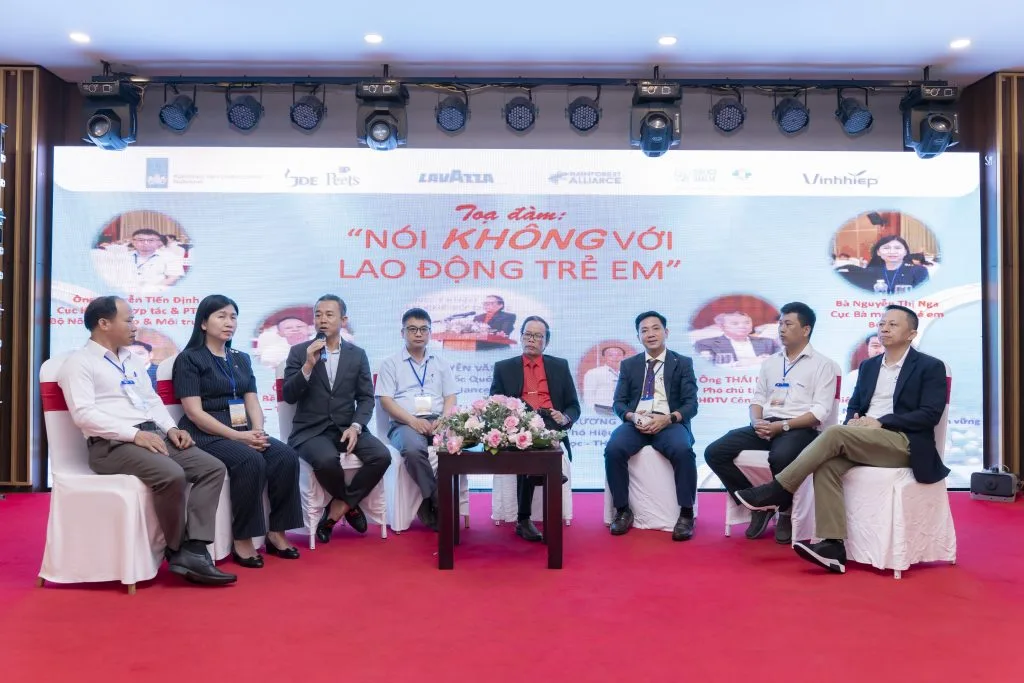
Coffee community programme reviews work to prevent child labour
Vinh Hiep participated in a programme with Rainforest Alliance and partners to raise awareness of child labour risks in Vietnam's coffee sector during 2022–2024. Activities combined communication, training and support for children and households in
Read more
Vinh Hiep attends launch of weather-risk insurance for coffee crops
On 12 March 2025, Vinh Hiep attended the launch of a comprehensive weather-risk insurance product for coffee crops developed by MSIG and Hillridge. The event introduced an approach to managing weather-related risks faced by coffee
Read more
Seedling deliveries support coffee-growing households in July 2024
On 7–8 July 2024, Vinh Hiep joined partner organisations in providing seedlings to coffee-growing households. The activity was part of continuing work with growers on farm development and more sustainable coffee production.
Read more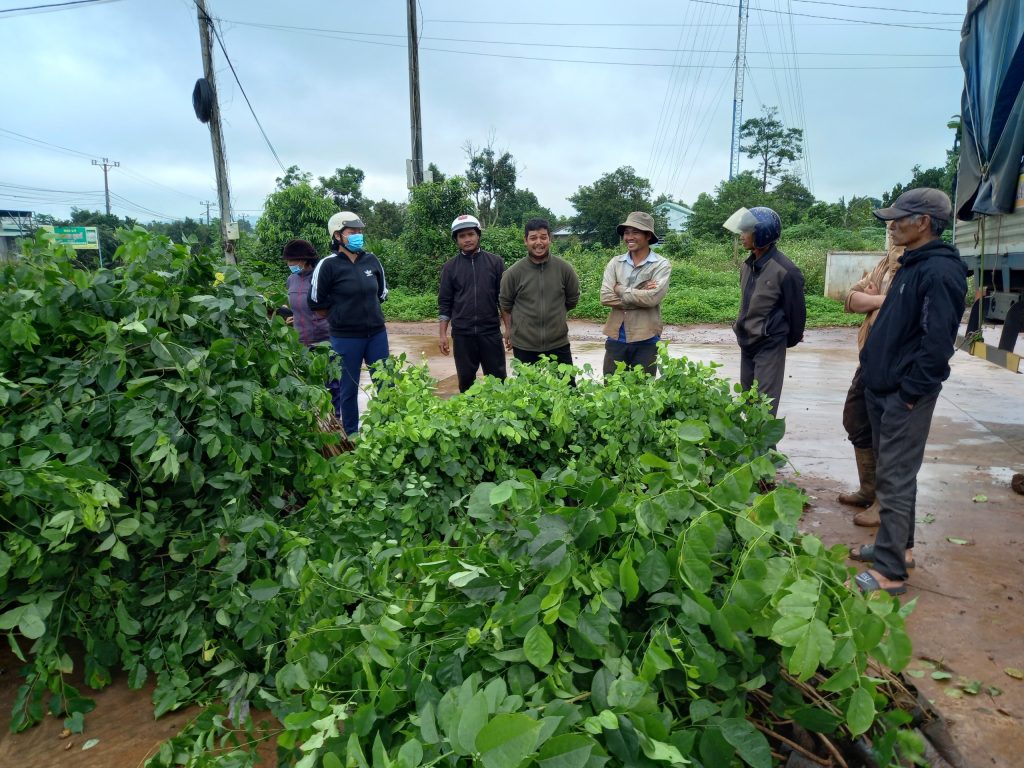


Vinh Hiep supports communities during the 2021 COVID-19 response
During the COVID-19 response in 2021, Vinh Hiep contributed medical supplies and essential goods to support frontline teams and communities in Gia Lai and Ho Chi Minh City. The activities brought company representatives together with
Read more
Community & growers
Coffee-growing communities are part of the story behind every sourcing area. This category brings together Vinh Hiep's updates about growers, community cooperation, education, local support and activities connecting businesses with the people around them. The articles record individual events and programmes, with their dates and locations kept visible so readers can understand the context of each activity.
Some reports concern practical support for households, such as seedlings, training or assistance for children. Others introduce a programme, record a visit or describe cooperation with partner organisations. Reading these updates together helps explain the different ways a coffee enterprise interacts with its production base and local community. Each report should still be understood within its own period and scope.

For readers researching Vinh Hiep as a supplier, community news adds background to the business relationship. It helps identify programmes and questions worth discussing, particularly where a buyer wants to understand grower engagement or social activities. Product quality, origin and certification need their own records connected with the proposed supply. Use the sustainable sourcing guide to organise those requirements alongside the information found here.
Begin with the event date, participants and activity described. Look for whether the article records a launch, a planned target, a completed handover or a review. These stages provide different kinds of information. If the present status matters to your work, identify the named programme and request an update for the relevant period. That keeps the discussion focused and gives the responsible team a clear question to answer.
Grower cooperation in coffee-producing areas
Grower relationships connect agricultural production with purchasing, processing and markets. Reports in this category show activities organised with households and partner organisations, including practical farm support and communication. The useful details are who participated, what was provided or discussed and when the work took place. A household count or project target belongs to the programme and period described. When researching a specific sourcing area, keep that context rather than applying one update to the supplier's entire network.
Seedlings and farm development
Seedling distributions are visible examples of cooperation with growers. A report can identify the planting material, the participating localities and the organisations involved in the handover. The later performance of trees depends on establishment and continued management. To understand a programme beyond its launch or distribution event, ask about the relevant follow-up period and monitoring information. This approach keeps the original activity clear while allowing a more detailed discussion of what happened afterwards.
Children's education and wellbeing
The community updates include activities concerned with children, education and awareness of child labour risks. Scholarships, transport support, children's clubs and training can address different needs. Read the actual activity description to understand its purpose and participants. A programme report gives evidence of work at a particular time; continued attention is needed to understand the circumstances within individual communities. The articles also acknowledge the roles of families, schools, local organisations and project partners.
Local support and shared activities
Community life includes assistance during difficult periods, remembrance activities and opportunities to meet through sport. The reports record examples of Vinh Hiep's participation alongside local authorities and organisations. Photographs help place an event in context, while the accompanying text explains what was being done. Where the source provides only a short update, the article retains that limited scope rather than assigning outcomes that were never reported. Readers can follow the linked source where more background is available.
Working with partner organisations
Many programmes involve several participants with different responsibilities. A development organisation may provide a framework, a business may coordinate local activity and community representatives may help identify needs. Look for the named partners and their described roles. Participation in a joint event does not mean every organisation performs the same work. If you are exploring cooperation, identify the activity of interest and ask which team can provide current information about that part of the programme.
Reading project targets and results
A launch may describe intended household reach, a budget or a period of work. A later report may record a distribution, training session or review. Keep those stages separate in your notes. An announced target is useful for understanding a project's direction, while a result needs a defined reporting period and supporting information. Where a figure is important to your decision, retain the article date and ask for the record explaining what the number measures.
Connecting community research with a sourcing review
Buyers may use community articles to prepare questions about a supplier's approach to grower engagement. Put those questions alongside the product brief, while keeping the evidence groups clear. The supplier due-diligence guide explains how business information differs from product and lot records. The traceability guide focuses on connecting the proposed goods with sourcing references. Together they help turn background reading into a review appropriate to the actual enquiry.
Discuss a programme or product with Vinh Hiep
When contacting the company about a community activity, include the article or programme name, its date and the question you wish to clarify. For a coffee enquiry, add product form, application, quantity and destination so the request can reach the responsible team. Explore the green coffee range for product context, or contact Vinh Hiep to discuss a specific question about cooperation, samples or the records relevant to a proposal.