Gia Lai coffee: choosing products, samples and origin records
Gia Lai coffee can be offered as green beans for roasting, roasted whole beans or ground coffee for brewing. Choosing the right form begins with how the coffee will be used, followed by a review of the grade, sample and origin information.
This guide focuses on purchasing decisions, particularly for green Robusta. It explains how to compare product forms, read Vinh Hiep’s published specifications and prepare questions where Gia Lai origin is a requirement. Regional background and evidence for a particular lot need to be considered together.
What can a buyer learn from the Gia Lai name?
Gia Lai is associated with coffee production and trade in Vietnam’s Central Highlands. A Ministry of Industry and Trade introduction published on 13 February 2023 describes regional production context and coffee offered in green, roasted and ground forms.
For sourcing, connect that regional information with product data. A general description of the area does not replace a specification. Equally, a sensory result does not establish that the sample came from the location required by the buyer.
For home or café use, identify the brewing equipment and product form first. A roaster or trading business will also need the grade, supply description, sample reference and transaction requirements. The information needed changes with the purpose of the enquiry.
Where documents use geographic names from different periods, ask the supplier to state the origin scope applied to the proposal. Distinguish the growing location from the company’s office, collection point and processing facility.
Choose green, roasted or ground coffee
Green coffee is an unroasted raw material for a roasting or processing stage. Questions normally concern screen size, defects, moisture, processing and trial results. The buyer should identify the finished product in which the raw material will be used.
Roasted whole beans suit customers with a grinder or businesses that wish to grind before brewing. Review composition, roast information, roast date where provided, packaging and storage guidance against the intended preparation method.
Ground coffee is prepared for use with suitable brewing equipment. Grind size needs to be clarified alongside composition and roast level. A grind suited to one method may need to differ for another, so describe the actual application.
Vinh Hiep’s green coffee range provides published grades as a starting point. For roasted or ground products, state the required form and use so the team can confirm suitable options. A regional article does not establish stock availability.
Read several physical specification fields together
Start with screen size and the minimum retained percentage, then review moisture, black beans, broken beans and foreign matter. A label such as S18 or S13 does not describe all these characteristics.
| Published grade example | Minimum screen retention | Maximum moisture | Black/broken beans | Maximum foreign matter |
|---|---|---|---|---|
| S18 Clean | 90% on screen 18 | 12.5% | Black 0.1%; broken 0.5%, separately | 0.1% |
| S18 Standard | 90% on screen 18 | 12.5% | Black and broken combined: 2% | 0.5% |
| S13 Standard | 90% on screen 13 | 13% | Black and broken combined: 5% | 1% |
These examples were checked against Vinh Hiep’s product information on 24 October 2026. They describe published grades and do not establish Gia Lai origin for every lot offered under those names.
If your quality team uses a particular method, share it before comparison. Keep an offered maximum separate from an actual sample measurement. Clarify whether defects are counted separately or together before comparing quotations.
Interpret flavour descriptions through the product
Regional introductions may use descriptions such as strong, aromatic or lingering. Such language belongs to the product and preparation context being described. Evaluate the actual sample rather than assigning one flavour profile to every coffee associated with Gia Lai.
For green coffee, roasting and assessment conditions affect the observations. Record the roast batch, preparation and intended application. A blender may need both a standalone assessment and a trial within the planned recipe.
For roasted or ground coffee, review the product’s brewing guidance. If roast, grind and preparation change together, it becomes difficult to identify the reason for a difference in the cup.
Describe the result you need in your product and record what the trial shows. This gives a supplier a more useful basis for a response than a list of attractive flavour terms alone.
Confirm the Gia Lai origin requirement
State whether you require coffee grown in a defined location, collected within an area or processed at a named facility. These are different descriptions and may lead to different records.
Then request the information associated with the actual sample or lot. Record the references used on the proposal, sample sheet and relevant processing or transfer records. If codes change, ask for a documented relationship between them.
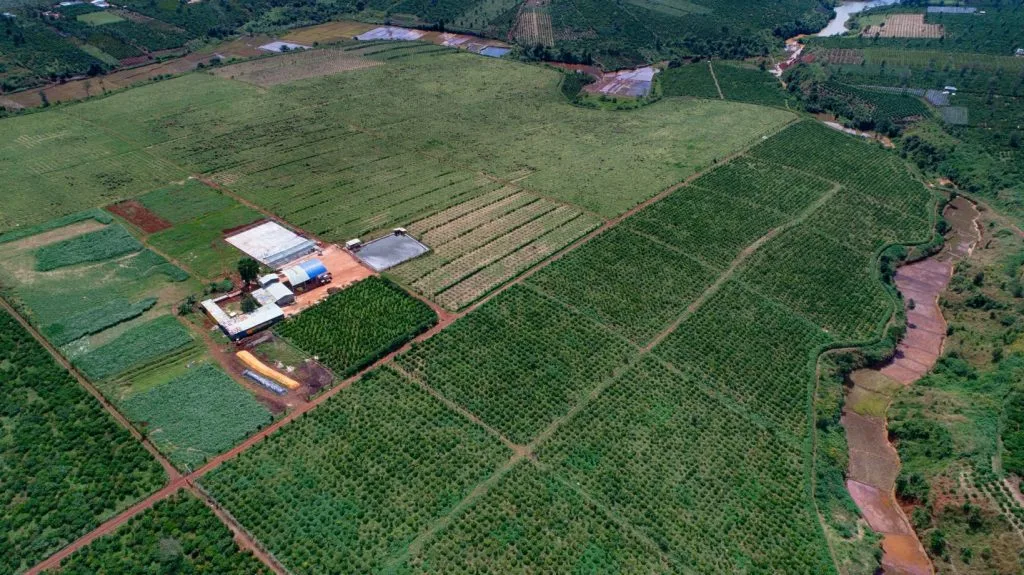
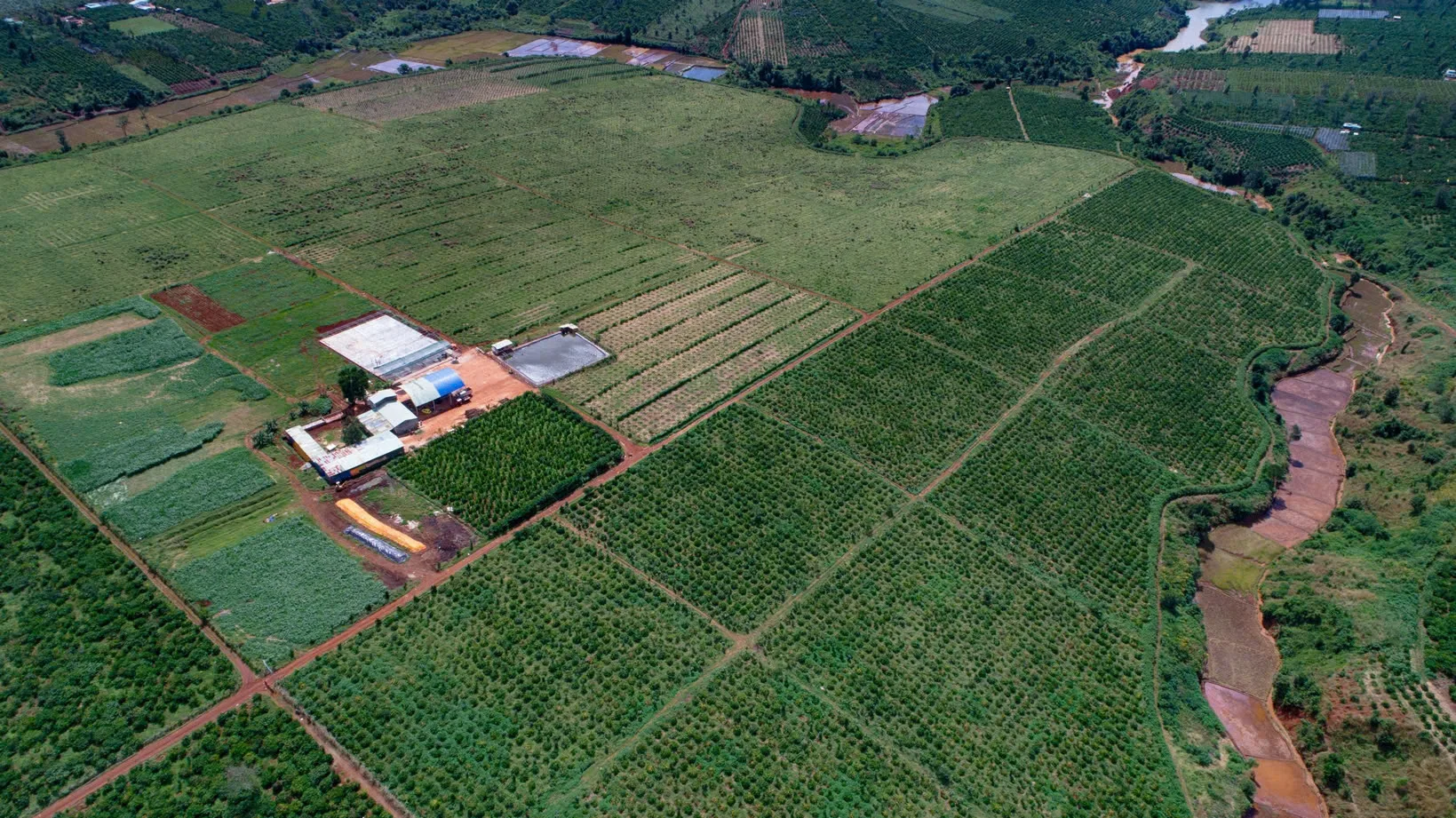
A farm photograph can illustrate the area but cannot confirm the origin of the lot being purchased. Flavour also does not replace origin documentation. Keep those questions separate within the evaluation file.
Use the coffee traceability guide to organise the references. For a broader regional enquiry, the Central Highlands coffee guide explains how to describe the geographic scope before narrowing it to Gia Lai.
Add organic or sustainability requirements
If organic status is required, name the programme and destination market. Request the operator, product and activity scope relevant to the proposal. A previous shipment gives business history, while a new transaction needs its own confirmation.
For broader sustainability criteria, identify whether the priority is certification, traceability, environmental information or a grower programme. Each needs appropriate evidence. A single document will not necessarily answer every question.
For an environmental report, record the assessed product, period and boundary. For a community project, review participants, activities and dates. Avoid extending a finding to other crops, products or facilities without a documented basis.
The sustainable coffee sourcing guide provides a detailed record structure. Send a defined checklist rather than a general request for “certified Gia Lai coffee”.
Organise sample evaluation
Before receiving the sample, establish whether it introduces a grade or represents an offered lot. Record the reference, receipt date, sender and packaging condition. If an internal code is used, preserve the mapping to the supplier’s code.
Compare physical results against the agreed specification and method. Record sample-roasting and sensory conditions so that differences can be discussed. The conclusion should identify suitability for the application and any remaining questions.
After choosing a sample, confirm the next step for the lot and documents. If the source, crop period or product changes, determine what needs to be reassessed. Earlier approval should not be treated as indefinite acceptance of later proposals.
The sample evaluation guide and questions before sampling can be used together to prepare the file.
Put the enquiry into one brief
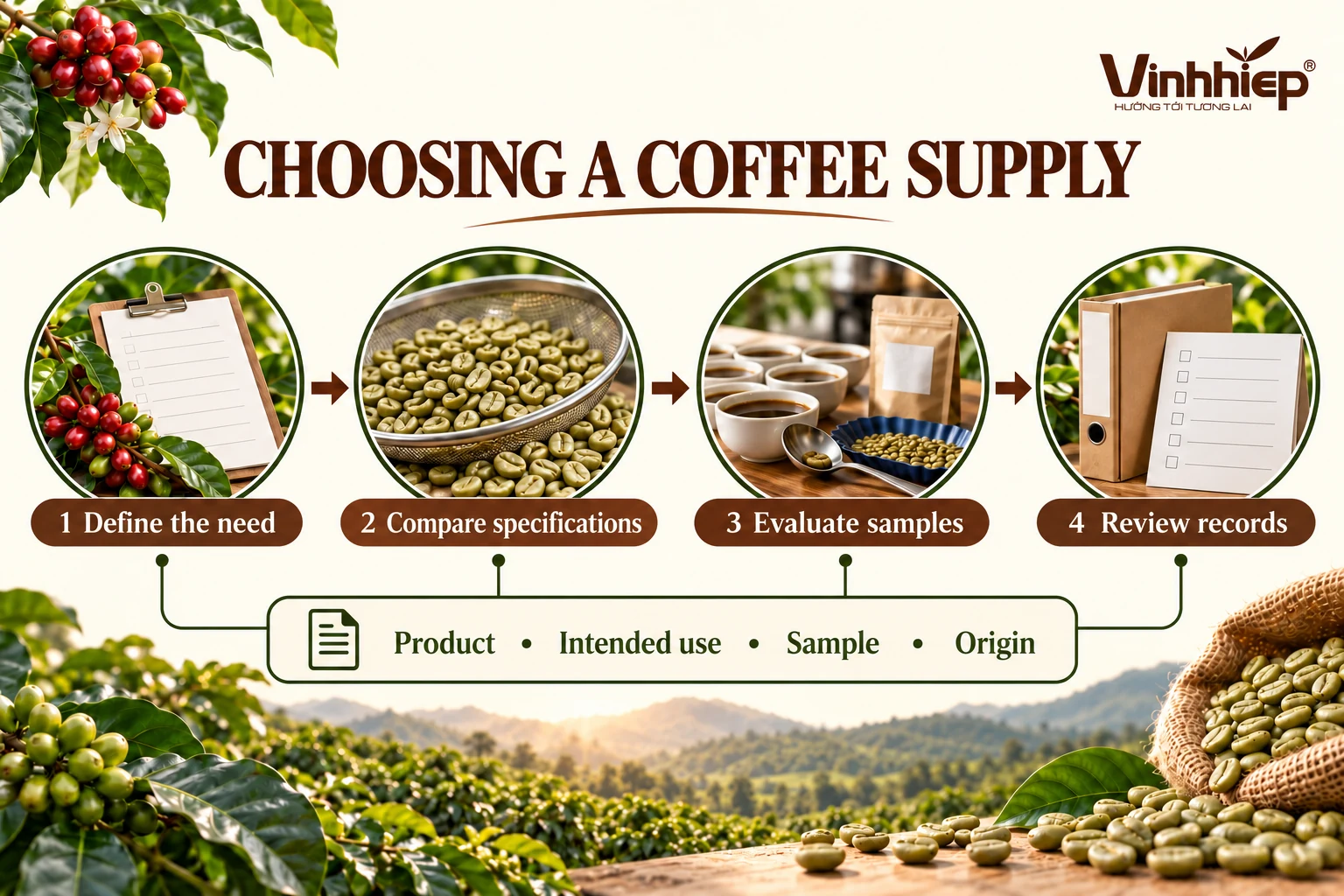
Include the product form, intended application, mandatory specification fields, Gia Lai origin scope, expected quantity, purchasing frequency and destination. Add the sample required, evaluation plan and any programme-specific documents.
Name one person to consolidate questions and another, where appropriate, to approve the result. When comparing suppliers, use the same response fields and record document versions and dates. The supplier selection guide places this brief within the full sourcing process.
Frequently asked questions
Does Gia Lai coffee mean green coffee only?
No. Buyers may enquire about green, roasted or ground products. The correct form depends on the intended use and the supplier’s confirmed range.
Can the region name alone guide product selection?
It provides origin context, but the buyer still needs the specification, sample and records relevant to the proposal.
Does S18 Clean automatically mean Gia Lai origin?
The grade describes published physical characteristics. Origin must be confirmed separately for the offered supply.
What if the buyer has no specification yet?
Send the product form, intended use, quantity and origin interest. Mark the fields requiring advice so that suitable options and a sampling step can be discussed.
Discuss Gia Lai coffee with Vinh Hiep
Begin with the green coffee range and the Robusta specification guide. Then contact Vinh Hiep with the application, sample needs and origin questions for the actual proposal.